
REVIEW · CYCLING TOURS
Kaba Kaba Reason for Harmony Cycling
Bali feels quieter once you trade scooters for pedals. This guided ride takes you into rural lanes around Kaba-Kaba, where you’ll see farmers at work and learn how local life keeps its rhythms alongside globalization. I especially like how the tour builds in real stops for context, not just movement, and how the group stays small at up to 8 people for smoother guiding.
Two things I really enjoyed: the chance to watch rice field life up close and the structured cultural storytelling around village spaces. You’ll also get options to visit a sacred spring and a water temple, which adds variety without turning the day into a full-on marathon. One consideration: you’re cycling in back-country areas and also walking some parts, so you’ll want decent sport shoes and a steady pace.
In This Review
- Key highlights to know before you go
- Morning in Kaba-Kaba: why this bike ride feels different
- Getting there and starting smart at Yayasan Manu Widya Narayana
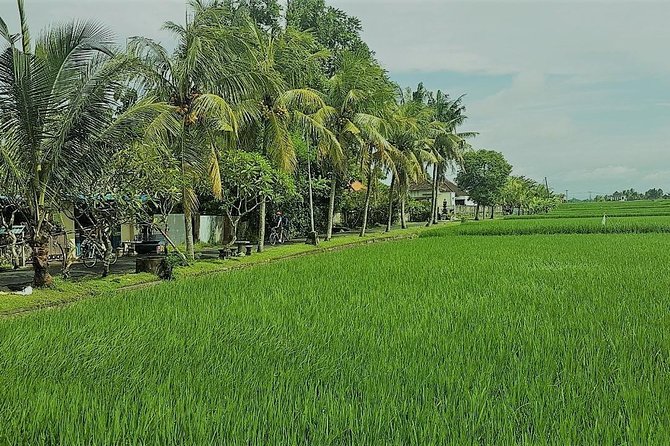
- The ride itself: quiet country lanes and rice field views
- Kaba-Kaba ancestral sites and the historic complex: the culture stops
- A river break and social life lessons under the shade
- Rice fields, a water temple, and the sacred spring option
- What’s included (and why it’s good value)
- What to wear and bring for comfort on rural lanes
- Group size and pacing: the practical rhythm of the day
- Who this tour suits best
- The best way to get the most out of it
- Should you book Kaba-Kaba Reason for Harmony Cycling?
Key highlights to know before you go
- Small group size (max 8) helps you ask questions and actually hear the guide
- Working rice fields give you a more everyday Bali view than the typical resort drive-by
- Kaba-Kaba ancestral sites and historic complex add cultural depth beyond scenery
- Sacred spring and water temple option lets you tailor the cultural mix for your morning
- Safety equipment + bike included keeps your prep simple
- Snacks, young coconut water, and bottled water help you stay comfortable during the ride
Morning in Kaba-Kaba: why this bike ride feels different
This isn’t a ride that rushes from one photo spot to another. The route is built for slower travel—quiet lanes, farmland edges, and village areas—so you can notice details that cars usually blur past. You’ll start early, so the light is nicer and the heat hasn’t fully turned your shirt into a sponge.
I like the way this experience frames what you’re seeing. You’re not only biking through rural Bali; you’re hearing how people live, work, and organize social life around sacred places and shared resources. In particular, the tour’s focus on how communities balance outside influences with traditional ways gives the day a clear theme, not just a list of stops.
One practical upside: it’s organized around comfort. Bikes, safety gear, snacks, and water are included, so you’re less likely to show up overconfident and then realize you forgot the sunscreen. (I’ve done that. It’s not a character-building experience.)
A few more things to do around Bali worth comparing
- Bali Quad Bike Pass by Waterfall Gorilla Cave Private Transfer
★ 5.0 · 638 reviews - Quad Bike Ride and Snorkeling at Blue Lagoon Beach All-inclusive
★ 5.0 · 448 reviews - Bali ATV Ride, Best Quad Bike Adventures
★ 5.0 · 266 reviews - Bali Water Sport and ATV Ride Packages : Best Quad Bike Trip
★ 4.5 · 66 reviews - Bali ATV Quad Bike and Water Rafting with Lunch & Transport
★ 5.0 · 55 reviews
Getting there and starting smart at Yayasan Manu Widya Narayana
The meeting point is at Yayasan Manu Widya Narayana, Br. Tegal Kepuh, Kaba-Kaba, Kediri, Tabanan, Bali. The start time is 8:00 am, and you’ll converge there before cycling begins.
Plan to arrive with enough time to settle in. You’ll be offered complimentary coffee and tea, which is a small touch but nice before you start moving. Right after you arrive, you’ll have time to choose and adjust your bike and get a safety briefing. That briefing matters because you’re riding on quieter country lanes, not a sealed road with obvious lanes and markings.
If you’ve never ridden in rural areas, this step helps you get your bearings fast. You’ll leave the meeting point feeling set up, not scrambling.
The ride itself: quiet country lanes and rice field views
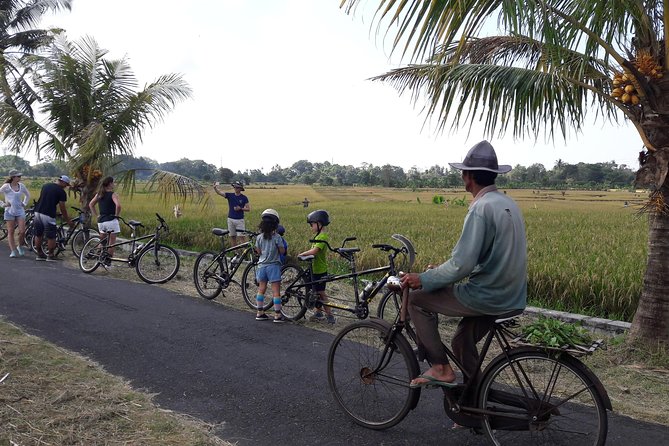
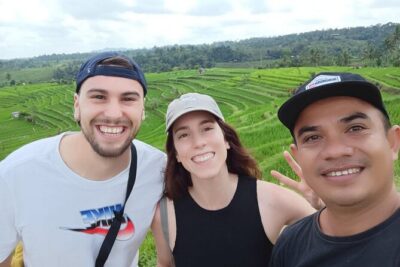
Once you roll out, the day becomes a gentle mix of scenery and conversation. You’ll cycle on quiet lanes where you can see rice terraces and working fields, with farmers doing their everyday tasks as you pass. It’s one of those moments that can feel surprisingly grounding: the pace of the land is slower than your usual day.
The guide also sets expectations for what you’re about to notice—ancestral sites, different communities living in the area, and the wider setting of the rice fields against distant mountains. Those vistas aren’t the main event on their own. The main event is the way the ride links scenery to people and history as you go.
A small note on effort: cycling rural lanes can still feel like cycling. You’re not on a treadmill, but you’ll be using your legs for a morning block. Most people can participate, but if you’re unsure, treat this as active travel rather than a leisurely stroll.
Kaba-Kaba ancestral sites and the historic complex: the culture stops
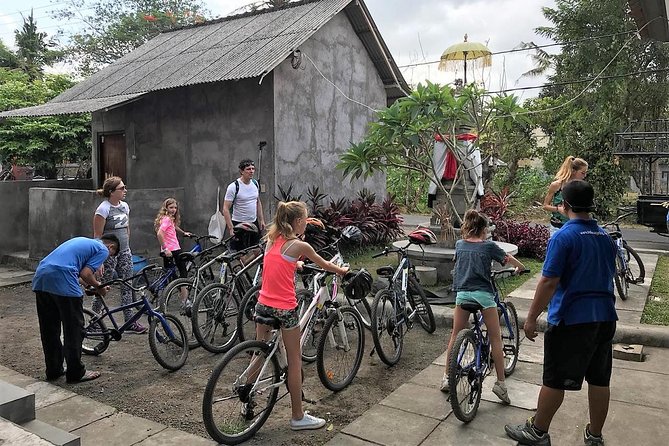
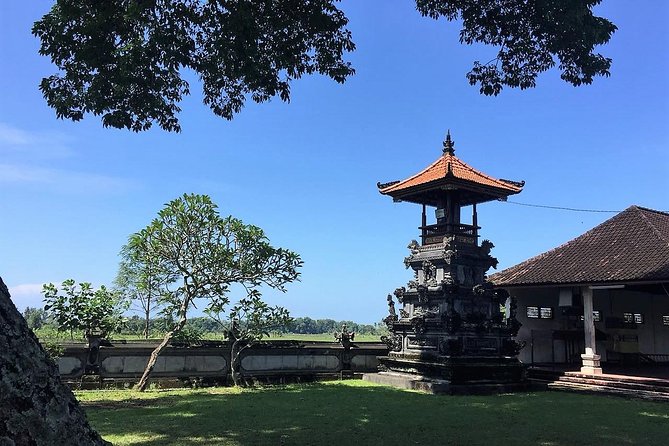
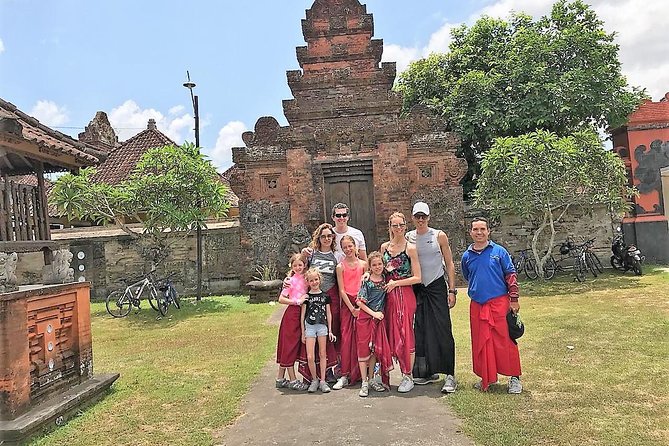
One of the strongest parts of the morning is how the tour brings you to Kaba-Kaba’s ancestral sites and then later to the historic building complex at Kaba-Kaba. The value here isn’t that it’s a single impressive structure. The value is the explanation of what these spaces mean in daily life and local continuity.
You’ll also hear about the mix of peoples who came to settle this land. That kind of framing helps you avoid the “look, temple” feeling and replace it with “I understand why this matters here.”
If you like culture but don’t want lectures, this approach works. The information is woven into the ride and walking bits, so you’re not stuck in one place for too long.
A river break and social life lessons under the shade
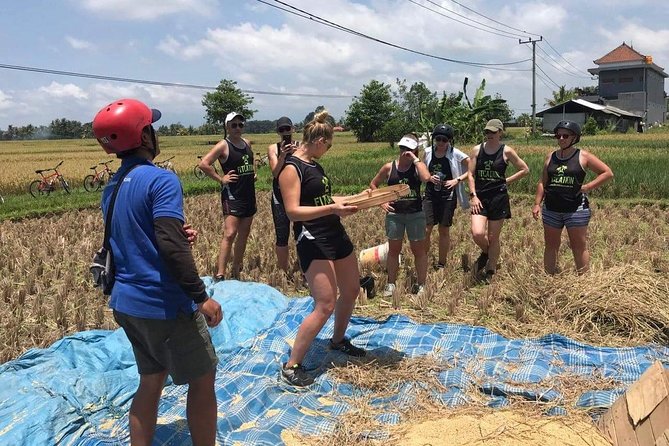
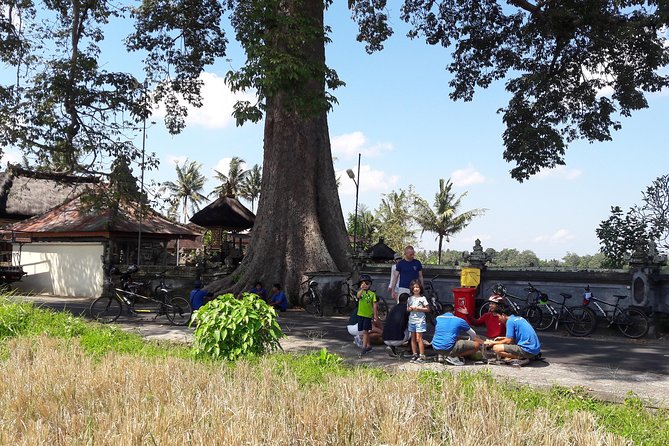
Around 10:00 am, there’s a walk to a river that’s described as protecting the area, followed by a break under shade. This is a smart rhythm. Cycling mornings can start to blur if you don’t pause, and the shade break gives you a breather for your legs and your brain.
During the break, you’ll learn how social life in Bali is organized. That sounds abstract, but it likely lands better because you’re hearing it while your surroundings match the topic: people, shared spaces, water, and routine.
This stop is also a good time to drink your water and take a few photos without rushing. The goal isn’t a selfie sprint. It’s a calm reset.
Rice fields, a water temple, and the sacred spring option
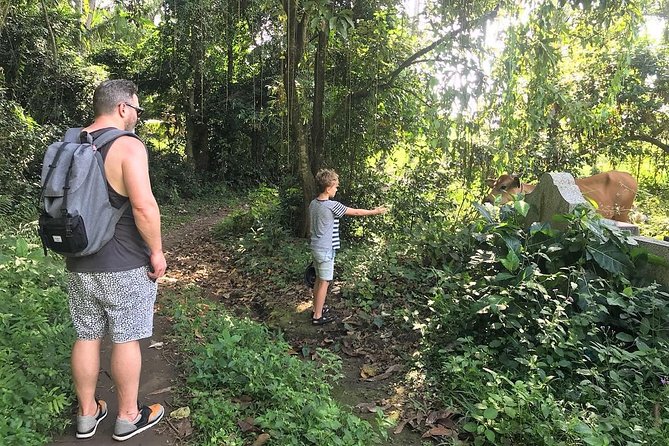
From the river break, the tour takes you closer into the rice fields. You’ll learn about a water temple nestled among the fields, and you’ll get context for how water and worship connect in these landscapes.
There’s also an option to visit a sacred spring and water temple. You might think an option means “maybe later,” but here it actually gives you flexibility in what your morning emphasizes: a more water-focused sacred stop, or a different mix of field and temple time.
Why I like this structure: it keeps the day from becoming rigid. If you’re the type who wants a bit more spirituality in your countryside visit, you can lean into it. If you prefer watching how farmers work and want your sacred stops lighter, the ride can still stay primarily visual and practical.

What’s included (and why it’s good value)
At $21.94 per person for about 4 to 5 hours, the inclusions are the difference between a cheap outing and a day that actually feels taken care of. You get:
- A guide
- All bike equipment
- Safety equipment
- Snacks
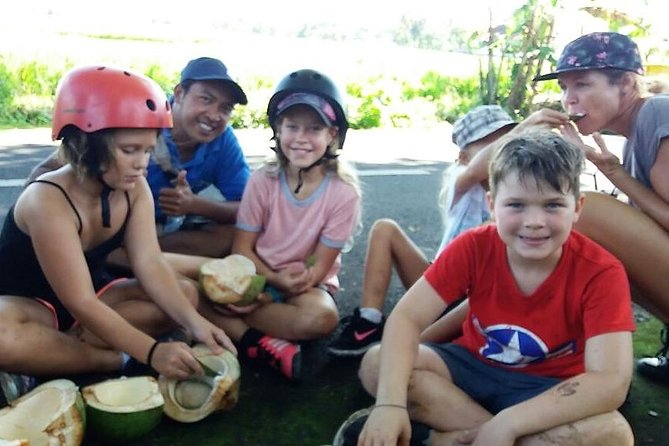
- Young coconut water
- Bottled water
That’s a solid bundle for a half-day. A lot of tours like this end up charging extra for bikes, helmets/safety gear, or basic refreshments. Here, you can focus on the ride and the learning, not on itemizing what you forgot.
You still cover your own breakfast and lunch, which is common. Just plan ahead so you’re not hungry halfway through. The complimentary coffee and tea help at the start, but they won’t replace a real meal for most people.
Also, you’ll receive a mobile ticket, which is convenient and reduces paper fuss. Small detail, but on a morning start, it helps.
What to wear and bring for comfort on rural lanes
This is a morning where your clothing matters. You’ll cycle through back-country areas and also visit local villages, plus you’ll do some walking.
The dress guidance is straightforward: dress appropriate, wear sport shoes, and bring a hat/cap and sunscreen. Those aren’t suggestions you can ignore if you want a comfortable ride. Morning sun in Bali can still be intense, and shaded stops don’t last all day.
If you’re deciding between sandals and shoes: choose shoes. Tricky footing plus bike pedals equals regrets. Bring sunscreen and a hat/cap, and you’ll enjoy the day instead of thinking about how your face is cooking.
Group size and pacing: the practical rhythm of the day
The tour runs with a maximum of 8 travelers. That small group size is more than a number. It makes it easier for the guide to keep track of everyone’s speed, answer questions, and manage safety on narrow rural lanes.
In real terms, you’ll likely spend less time waiting around and more time cycling and learning. With small groups, you also get a better chance to ask what something means—like why water matters at a temple, or what the river stop represents in local life.
Timing is also reasonable: a start at 8:00 am, a mid-morning river break, and time later for deeper rice field and temple moments. If you like mornings that end before the heat and crowd energy rises, this fits.
Who this tour suits best
This tour is ideal if you want a local, countryside Bali experience without turning it into a full-day trek. It’s especially great for:
- Couples and small groups who like questions and guided context
- Travelers who want to see working landscapes rather than only scenic overlooks
- People who enjoy cycling but don’t need extreme workouts
- Families looking for an active day that still includes cultural explanation (the experience has been described as enjoyable for the whole family)
If you’re only looking for big-ticket landmarks and long museum hours, this may feel more “everyday Bali” than “major attractions.” That’s not a flaw. It’s the point.
The best way to get the most out of it
Come ready to slow down. When the ride gets quiet and you start passing farmers working in rice fields, resist the urge to rush your photos. Instead, listen to the guide’s framing—how tradition and outside influences interact, and how social life connects to shared places like water and sacred sites.
Also, don’t treat it like a casual stroll where you can wear whatever. The shoe + sunscreen + hat combo really changes how enjoyable the morning feels.
Finally, ask questions at the stops. The tour is designed around small-group pacing, so you can make those river breaks and temple moments more meaningful.
Should you book Kaba-Kaba Reason for Harmony Cycling?
If your idea of Bali includes rural life, rice fields, and cultural context, I think you’ll be happy booking this. The value is strong because bikes, safety gear, snacks, and water are included, and the route is built around multiple cultural stops rather than a single viewpoint.
Skip it only if you want a very passive tour or you’re not comfortable with active mornings and some walking. Also, if you’re expecting a flashy, large-attraction itinerary, this is the quieter side of Bali.
For most people who want an authentic feel and a practical, well-supported morning out of Seminyak, this is an easy yes.
More Cycling Tours in Seminyak
- Bali Quad Bike Pass by Waterfall Gorilla Cave Private Transfer★ 5.0 · 638 reviews
- Quad Bike Ride and Snorkeling at Blue Lagoon Beach All-inclusive★ 5.0 · 448 reviews
- Bali ATV Ride, Best Quad Bike Adventures★ 5.0 · 266 reviews
- Bali Water Sport and ATV Ride Packages : Best Quad Bike Trip★ 4.5 · 66 reviews
- Bali ATV Quad Bike and Water Rafting with Lunch & Transport★ 5.0 · 55 reviews
- Bali ATV Ride And Ubud Tour Packages : Best Quad Bike Trip★ 5.0 · 53 reviews
More Tour Reviews in Seminyak
- Bali Full-Day Traditional Village Sightseeing Trip All Inclusive★ 5.0 · 3,069 reviews
- Experts Bali Driver : Best Bali Private Driver for Tour in Bali★ 5.0 · 1,339 reviews
- Bali Hai Sunset Dinner Cruise★ 5.0 · 1,173 reviews
- Mount Batur Sunrise Trekking★ 5.0 · 947 reviews
- Mount Batur Sunrise Jeep Adventure★ 5.0 · 898 reviews
- Private Arrival Transfer: Bali Airport to Hotel★ 4.5 · 739 reviews
Keep exploring Seminyak and the rest of Bali


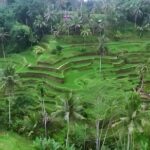
Cycling Tours, compared.
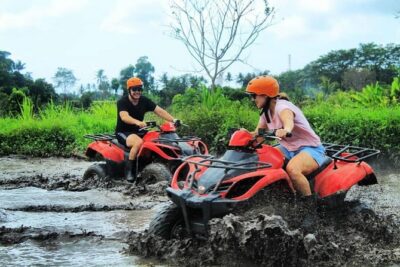 ★ 5.0Quad Bike Ride and Snorkeling at Blue Lagoon Beach All-inclusiveFrom $75448 reviews
 ★ 5.0Bali ATV Ride, Best Quad Bike AdventuresFrom $35266 reviews
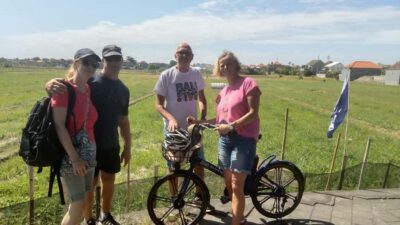 ★ 4.6Sanur Village E-bike Tour: Family-Friendly AdventureFrom $4785 reviews
 ★ 4.5Bali Water Sport and ATV Ride Packages : Best Quad Bike TripFrom $11066 reviews
Bali ATV Quad Bike and Water Rafting with Lunch & TransportFrom $8755 reviews
★ 4.5Bali Water Sport and ATV Ride Packages : Best Quad Bike TripFrom $11066 reviews
Bali ATV Quad Bike and Water Rafting with Lunch & TransportFrom $8755 reviews
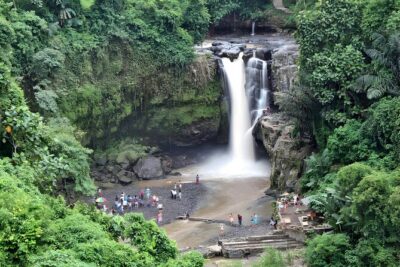 ★ 5.0Bali ATV Ride And Ubud Tour Packages : Best Quad Bike TripFrom $9053 reviews
 ★ 5.0All Inclusive Quad Bike Ride and White water RaftingFrom $8931 reviews
Browse the lists this tour appears in