
REVIEW · WORKSHOPS
Kerobokan Pastry Class for Kids and Families
Kids baking in Bali sounds like a win. This class turns a simple sweet into a full mini-world of measuring, mixing, decorating, and pastry science, built for up to 10 people. I especially like the mix of play-based learning (fruit and spice games, quizzes, videos) plus real kitchen skills like weighing, kneading, and tart filling with pouch cream. One thing to consider: it’s held in a private home meeting point, and transport isn’t included, so plan your ride before you go.
You’ll get a focused 1 hour 30 minutes of instruction, with everything provided from ingredients to packaging. I also like that the format can adapt for families, with vegan or gluten-free options possible per group, and staff can handle allergy notes if you tell them ahead. The vibe is not stiff or formal; it feels like a guided kitchen workshop where kids actually get to do things.
In This Review
- Key things that make this pastry class work
- Where you’ll be cooking: Kerobokan’s home-kitchen setup
- The 1 hour 30 minutes flow: games first, then real baking
- Welcome + method (how the work gets organized)
- Food games that actually teach ingredients
- Science in kid language (the why behind baking)
- What pastries you might make: from tarts and cupcakes to the pastry “big ideas”
- The hands-on skills you’ll practice
- The ingredient quality angle: imported dairy, Belgian chocolate, and more
- Decoration and tasting: making it look good is part of the learning
- Vegan and gluten-free options (and why you should mention allergies early)
- Who this class is best for (and who might want a different option)
- What to bring (and what you can skip)
- Price and value: $21.29 for instruction + materials + a treat
- Practical tips before you book
- Should you book the Kerobokan kids pastry class?
- FAQ
- How long is the pastry class?
- Where does the class start and end?
- What is the price per person?
- How many people are in each class?
- Is vegan or gluten-free food available?
- Is transport included?
Key things that make this pastry class work
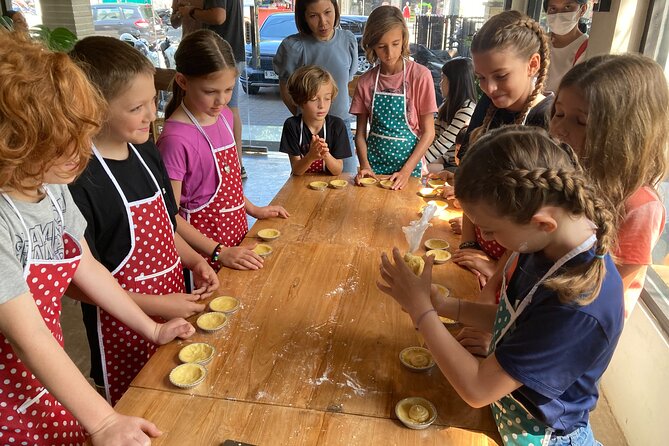
- Small-group attention (max 10) helps kids stay engaged and get real help
- Food games + quizzes teach ingredients and flavors beyond the recipe
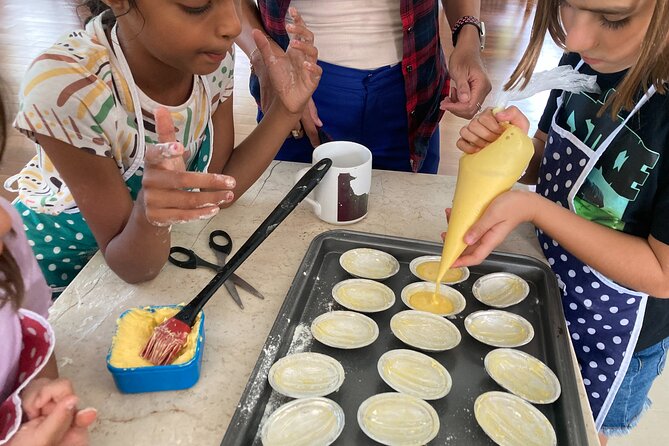
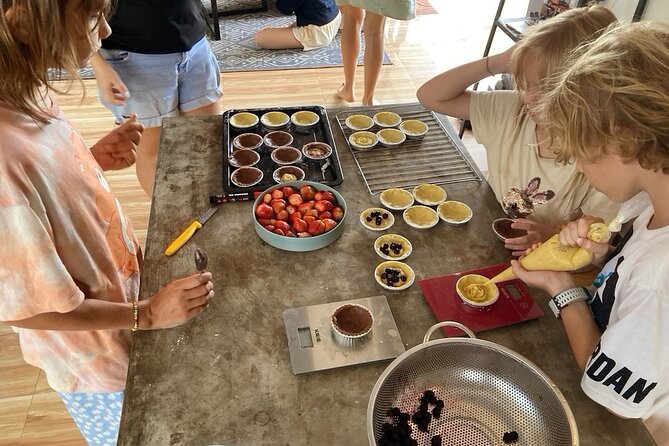
- Hands-on pastry basics cover measuring, mixing, dough work, and decorating
- Real pastry references like croissants, macarons, pies, and more show what you’re making
- Quality ingredient focus with imported dairy, Belgian chocolate, and farmer honey
- Vegan or gluten-free by group plus allergy notes for nuts and other ingredients
Where you’ll be cooking: Kerobokan’s home-kitchen setup
This class runs from a meeting point in Kerobokan Kaja, Kuta Utara (Seminyak area), and you return back there at the end. The start point is listed as 85RH+VM8, Kerobokan Kaja—if you plug that plus code into Google Maps, you should find it fast.
What I like about the “private home” setting (not a huge classroom) is that it naturally makes the session feel personal. The group stays small—up to 10 travelers—so kids don’t spend the whole time waiting their turn. It also means the teaching tends to be practical: clear instructions, quick check-ins, and lots of hands-on time.
Possible drawback: because it’s a home setup and transport isn’t included, the experience can feel smoother if you already know the area or can rely on a rideshare/driver. If you’re coming from farther away, build in extra buffer time so you arrive calm, not rushed.
A few more things to do around Bali worth comparing
- Kuta/Bali: Private Beginner & Intermediate Surf Lessons
★ 4.9 · 563 reviews - Balinese Cooking Class in Seminyak
★ 5.0 · 281 reviews - Nia Balinese Cooking Class
★ 5.0 · 202 reviews - Nia Bali Seminyak Cooking Class
★ 5.0 · 127 reviews - Canggu: Surfing lesson with ISA certified instructor
★ 5.0 · 102 reviews
The 1 hour 30 minutes flow: games first, then real baking
Think of this lesson like a recipe sandwich: fun at the start, skills in the middle, and something delicious to show for it at the end.
Welcome + method (how the work gets organized)
Early on, you’ll follow a clear method—how to start, how to move through steps, and how to keep things tidy and on schedule. Kids often do best when there’s structure. Here, the organization of work is part of the teaching, not an afterthought.
You’ll also be encouraged to write the recipes, so they’re not just copying instructions. They bring a pen and a notebook, and the session reinforces that baking is repeatable—not just a one-time event.
Food games that actually teach ingredients
Before you’re mixing batter, you get activities that connect food to real life. The class includes games to help kids find out and learn how fruits and spices grow and how they look, plus quiz-style guessing games for fruits, vegetables, and desserts.
This is a smart approach for families because it turns curiosity into a learning tool. If your child is the type who asks why something tastes the way it does, these games give you language for that conversation—without turning the class into a lecture.
Science in kid language (the why behind baking)
The teaching also includes basic food science. You’ll learn the science behind baking and how timing matters. That might sound “academic,” but in practice it helps kids understand why steps can’t be skipped—like mixing enough for texture, or why oven timing affects the final result.
And yes, you’ll decorate. The session includes tasting and an end product you can eat now or package to bring home.
What pastries you might make: from tarts and cupcakes to the pastry “big ideas”
The class covers a variety of sweet options, including tarts, pie, biscuits, cheesecake, cookies, cupcakes, and snacks. The exact final creations can depend on the lesson theme, which the provider describes as specialized—based on technique, pastry type, or cultural influence.
Even when you’re making only one main treat, you’ll usually learn broader context. The class includes learning about how pastries like croissants, macarons, and bread are made—so kids start connecting the dots between ingredients, processes, and results.


The hands-on skills you’ll practice
Expect to do real kitchen tasks, not just decorate:
- Measuring ingredients accurately
- Mixing batters and combining ingredients
- Kneading dough (where applicable)
- Decorating creations
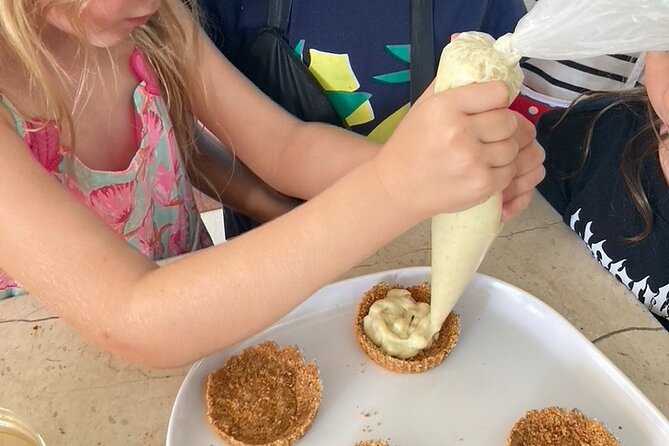
- Filling a tart with a plastic pouch cream
- Learning timing and teamwork
This part matters because kids leave feeling competent. They don’t just watch. They do the steps that create texture—then they see the payoff when it turns into something sweet and finished.
The ingredient quality angle: imported dairy, Belgian chocolate, and more
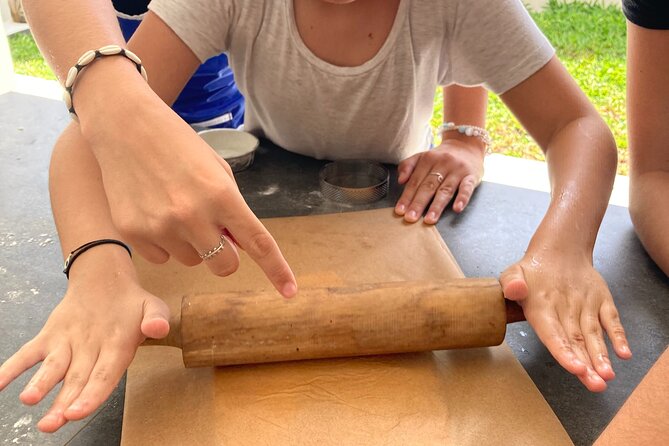
This class leans into quality ingredients, including imported dairy, Belgian chocolate, and farmer honey. It’s not just a feel-good detail. Better ingredients help kids taste the difference and understand what they’re working with.
You’ll also notice that the class provides everything needed: ingredients, tools, and a water supply. Bottled water is included—served as a gallon with fresh mineral water.
If you’re used to home baking, you already know ingredient quality changes results. Here, kids get a chance to taste that link between ingredient and final flavor.
Decoration and tasting: making it look good is part of the learning
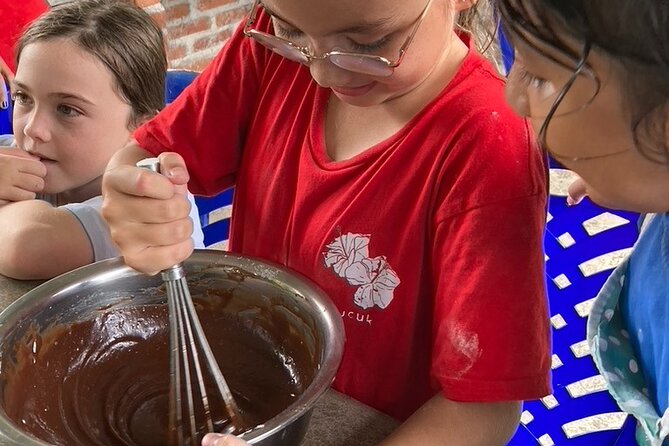
Decorating is where kids often lock in their confidence. The class includes time to decorate creations and understand presentation, texture, and final assembly.
Then comes tasting and eating. You’ll have ingredients and your cake/treat to eat now or bring home. That packaging piece is included, which makes a big difference for families: you’re not hunting for containers or worrying about transport.
I also like that the tasting isn’t the “boring last step.” It’s tied to the earlier learning—so kids taste with a purpose: how does it compare to what we predicted while measuring and mixing?
Vegan and gluten-free options (and why you should mention allergies early)
If you’re planning for dietary needs, this class is flexible. The provider notes that vegan or gluten-free options are possible per group, and you should let them know about allergies—especially nuts or other allergies.
That advice matters. Baking is ingredient-sensitive. If you don’t speak up early, you could end up with uncertainty right when the class starts. So if anyone in your group has allergies, email/message with details before your session.
For families traveling in Bali, this is one of the practical reasons to book: it lowers the stress level for you. Kids can still participate without feeling like they’re sitting out.
Who this class is best for (and who might want a different option)
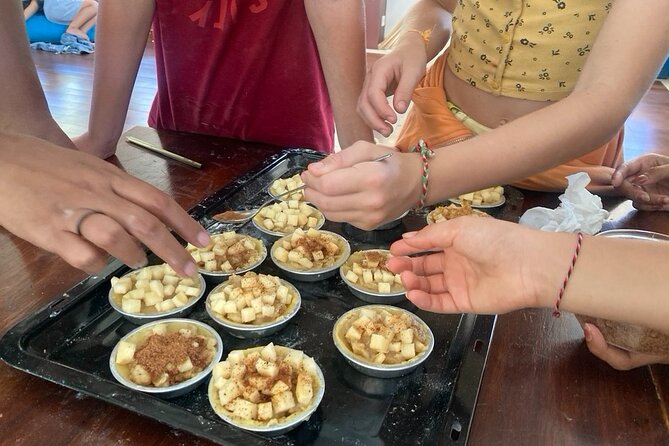
This is designed for kids and families, with maximum group size kept tight. It’s a solid fit if you want:
- Hands-on kitchen time
- Creativity plus structure
- A lesson that includes games and learning, not only baking
- A take-home sweet or shared treat
It may be less ideal if your child prefers very quiet, low-stimulation activities, because there are interactive elements (quizzes, games, videos). Also, if your schedule is tight and you need a super exact start time from a certain hotel, the private home meeting point means you’ll want to plan transport well.
On the upside, there’s also an adult pastry class offered by the same provider, which can help if you’re traveling as a family and want everyone to feel included.
What to bring (and what you can skip)
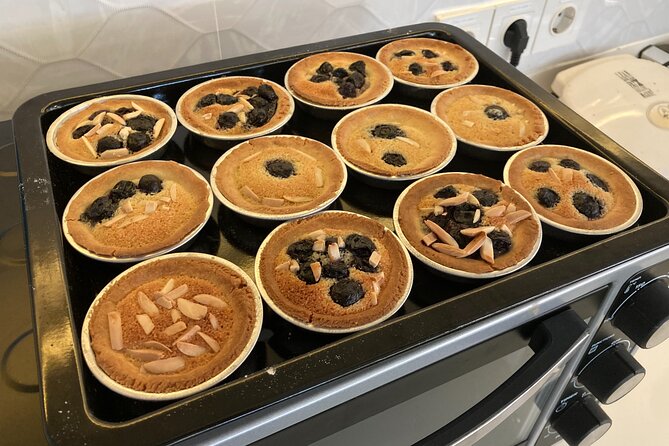
Good news: the class includes everything needed to bake. That means you don’t need to buy ingredients or bring supplies.
Do plan on these:
- Bring a pen and notebook, since kids are encouraged to write the recipes
- Tell them about allergies in advance
- Consider a ride plan since transport isn’t included
What you can likely skip: cookware, mixing bowls, and ingredient prep. You’re showing up to bake and learn, not to prep.
Price and value: $21.29 for instruction + materials + a treat
At $21.29 per person for about 1 hour 30 minutes, this can feel like a fair deal once you look at what’s included: ingredients, tools, packaging, water, and a finished creation you can eat or take home.
Many cooking activities charge for “instruction,” but the real cost comes from materials and waste. Here, you’re getting the full setup—so your money goes directly toward a complete experience. For families, that’s the practical win: kids leave with skills and something tangible to show for it.
A balanced view: the price is good for short, focused classes, but it’s still a paid activity. If you’re looking for a longer multi-meal cooking program, you might want something more extensive. For a rainy afternoon or a fun family plan, this timing and price pairing makes sense.
Practical tips before you book
If you want this to go smoothly, focus on the simple stuff:
- Plan transport early since the meeting point is a specific address/home area and transport isn’t included
- Send allergy info before the day if nuts or other ingredients are a concern
- If your child likes learning, encourage them to take notes during the writing part
- Choose the vegan/gluten-free option only if your group needs it, so the class can prepare correctly
Also, this lesson includes videos and ingredient-focused games. If your child is easily distracted, arrive a few minutes early so they settle in and get oriented.
Should you book the Kerobokan kids pastry class?
Book it if you want a kids’ activity that mixes real baking skills with games, food knowledge, and a take-home result. The small group size is a big reason to feel confident—kids get attention, and you’re not stuck watching while everyone else works.
I’d skip or reconsider if logistics are your weak spot (you don’t have easy transport to a private meeting point) or if your family needs a very quiet, no-activity session. Otherwise, this is a strong “family with kids” plan in Seminyak/Bali that feels hands-on from start to finish.
FAQ
How long is the pastry class?
It runs for about 1 hour 30 minutes.
Where does the class start and end?
The class starts at the meeting point listed in Kerobokan Kaja (plus code 85RH+VM8) and ends back at the same meeting point.
What is the price per person?
The price is $21.29 per person.
How many people are in each class?
There is a maximum of 10 travelers per class.
Is vegan or gluten-free food available?
Yes. Vegan recipes and gluten-free options are possible per group.
Is transport included?
No, transport is not included. Bottled water and baking supplies are included as part of the class.
More Workshops in Seminyak
- Kuta/Bali: Private Beginner & Intermediate Surf Lessons★ 4.9 · 563 reviews
- Balinese Cooking Class in Seminyak★ 5.0 · 281 reviews
- Nia Balinese Cooking Class★ 5.0 · 202 reviews
- Nia Bali Seminyak Cooking Class★ 5.0 · 127 reviews
- Canggu: Surfing lesson with ISA certified instructor★ 5.0 · 102 reviews
- Cooking class in the comfort of your own personal villa. Yes, I’ll come to you!★ 5.0 · 80 reviews
More Tour Reviews in Seminyak
- Bali Full-Day Traditional Village Sightseeing Trip All Inclusive★ 5.0 · 3,069 reviews
- Experts Bali Driver : Best Bali Private Driver for Tour in Bali★ 5.0 · 1,339 reviews
- Bali Hai Sunset Dinner Cruise★ 5.0 · 1,173 reviews
- Mount Batur Sunrise Trekking★ 5.0 · 947 reviews
- Mount Batur Sunrise Jeep Adventure★ 5.0 · 898 reviews
- Private Arrival Transfer: Bali Airport to Hotel★ 4.5 · 739 reviews
Keep exploring Seminyak and the rest of Bali


Workshops, compared.
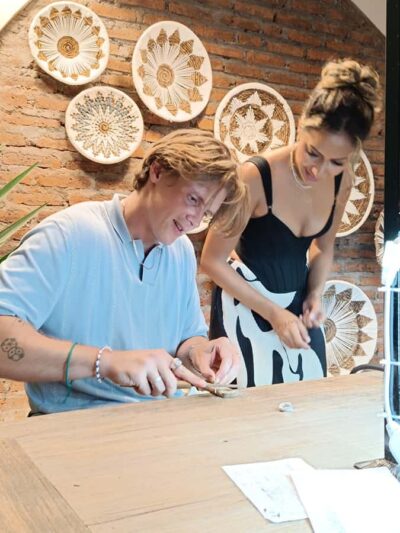 ★ 4.9Canggu Jewelry Making Class with Creative Studio VibesFrom $461,003 reviews
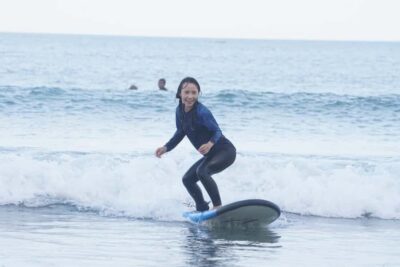 ★ 4.9Kuta/Bali: Private Beginner & Intermediate Surf LessonsFrom $13563 reviews
 ★ 4.9Canggu: 2-Hour Surf Class with a Professional InstructorFrom $23355 reviews
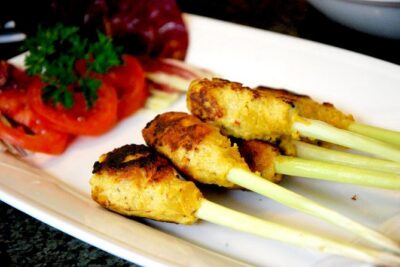 ★ 5.0Balinese Cooking Class in SeminyakFrom $66281 reviews
 ★ 4.9Canggu: Surfing Lesson with ISA InstructorFrom $22232 reviews
Nia Balinese Cooking ClassFrom $45202 reviews
★ 4.9Canggu: Surfing Lesson with ISA InstructorFrom $22232 reviews
Nia Balinese Cooking ClassFrom $45202 reviews
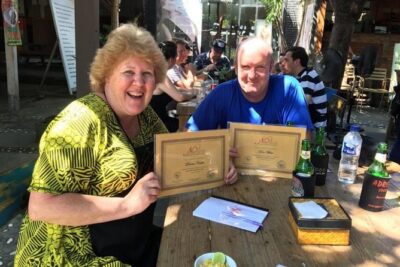 ★ 5.0Nia Bali Seminyak Cooking ClassFrom $71127 reviews
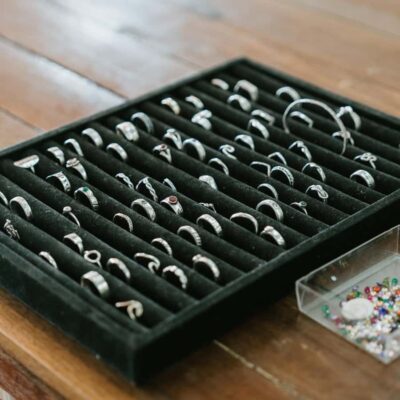 ★ 4.8Canggu: Echo Silver WorkshopFrom $46109 reviews
Browse the lists this tour appears in