
REVIEW · WORKSHOPS
Kuta Seminyak Scooter Lessons
Bali’s scooter traffic feels scary fast.
This 2-hour lesson in Seminyak/Canggu teaches you step-by-step, starting on a powered practice bike before moving to the scooter, with patient instructors like Raffi and Dio. I especially like the focus on real-world riding: handling basics first, then adding local street rules and practical tips so you can avoid trouble.
One thing to plan around is weather. The activity needs good weather, and if it gets canceled for poor conditions, you’ll be offered another date or a full refund. Also, breakfast/water and private transportation aren’t included, so come ready to drink and move.
In This Review
- Key highlights you’ll feel on day one
- Scooter lessons in Seminyak: why this is better than “rent and hope”
- Your 2-hour flow: powered bike, then scooter, then the road rules
- Step 1: learn scooter basics on a powered practice bike
- Step 2: move to the scooter when you’re ready
- Step 3: local street rules and how to avoid problems
- The Canggu practice area: what that means for beginners
- Gear and what’s included: simple, useful, and not trying to upsell
- Who this is best for (and who should think twice)
- You’ll love this if…
- You might hesitate if…
- Price and value: $52 for practice that can save days
- Small details that matter more than you think
- Timing and daily availability
- Mobile ticket
- Confirmation and weather requirement
- What makes the instructors stand out: Raffi and Dio’s teaching style
- Should you book the Kuta Seminyak Scooter Lessons?
- FAQ
- How long is the scooter lesson?
- How much does the scooter lesson cost?
- What’s included in the lesson?
- What do I need to bring or plan for?
- Is this activity weather-dependent?
- Is it a private tour?
Key highlights you’ll feel on day one
- Start on a powered bicycle so your muscle memory forms before you touch the scooter.
- Clear coaching for beginners with instructors known for calm, patient teaching.
- Quiet road to busier road progression so you build confidence without jumping straight into chaos.
- Local street rules and police-awareness tips that go beyond just how to turn and brake.
- All the gear you need: scooter access and a helmet are included.
- Private session format: it’s just your group, so you get more time on your questions.
Scooter lessons in Seminyak: why this is better than “rent and hope”
If you’re spending more than a few days in Bali, learning to ride a scooter often becomes the difference between a relaxed trip and an expensive one. The taxis pile up, and tours can feel like time traps. A lesson like this is about avoiding the classic beginner problem: you know the theory, but the first time you try in real traffic, you freeze at the exact moment you should be steering.
This course is set up to help you get over that gap quickly. It’s priced at $52 for about 2 hours, and you’re not just watching someone explain controls. You get hands-on practice with the scooter, plus a helmet. For many people, that’s the real value: the confidence that comes from doing it under instruction, not just reading rules.
It’s also in Seminyak/Canggu area, which is where scooter riding is both common and stressful. Learning here means you’re training in the kind of environment you’ll actually face later.
One note I appreciate: this isn’t pitched as a “stunt” class. The teaching is built around basics first—like learning how a bicycle helps you understand balance and direction—then translating those instincts into scooter handling.
Still weighing it up? Here are more Seminyak tours and Bali day trips worth a look.
- Bali Full-Day Traditional Village Sightseeing Trip All Inclusive
★ 5.0 · 3,069 reviews - Experts Bali Driver : Best Bali Private Driver for Tour in Bali
★ 5.0 · 1,339 reviews - Bali Hai Sunset Dinner Cruise
★ 5.0 · 1,173 reviews - Mount Batur Sunrise Trekking
★ 5.0 · 947 reviews - Mount Batur Sunrise Jeep Adventure
★ 5.0 · 898 reviews
Your 2-hour flow: powered bike, then scooter, then the road rules
The lesson runs about 2 hours, and it’s structured around one main goal: get you riding with control before you’re exposed to busier streets.
Step 1: learn scooter basics on a powered practice bike
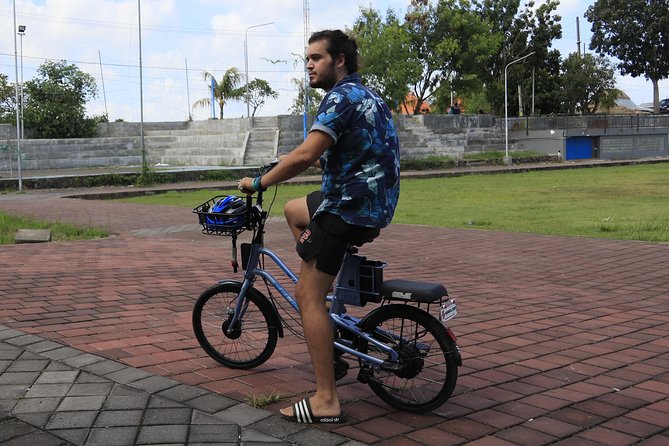
The teaching starts with a powered bike. The idea is simple and smart. A scooter is not just a motor—it’s balance, steering, throttle timing, braking, and scanning the road all at once. Starting on a powered bicycle lets your body learn the rhythm without the pressure of handling a full scooter frame and foot placement immediately.
From a practical standpoint, this is where you build:
- smooth starts (not sudden jumps forward)
- steering inputs that don’t wobble
- braking feel and control
- basic posture and where your feet should be placed
If you’ve never ridden before, this “bridge step” matters. It reduces the learning curve so you can focus on the right things from minute one.
Step 2: move to the scooter when you’re ready
Once you can manage the powered bike, you graduate to the scooter. This is the moment where instructors earn their keep.
The best sign you’re in a good lesson setup is how they handle confidence. In the feedback you provided, the recurring theme is patience: instructors like Raffi and Dio are described as friendly, supportive, and calm. That matters because beginners don’t just need instruction—they need reassurance that you’re doing it correctly and that mistakes are part of learning.
You should expect coaching on:
- how to accelerate and slow down smoothly
- how to turn while maintaining balance
- how to control speed in traffic-like situations
- how to stay focused instead of staring at the ground
Step 3: local street rules and how to avoid problems
This class also covers local rule awareness. That’s a big deal, because Bali scooter riding is not only about balance—it’s about how locals flow through intersections and streets.
You’ll be taught street rules and practical guidance on how to avoid problems with police. Even if you never want to think about law enforcement while on vacation, this kind of awareness can prevent stressful detours and headaches later.
It’s also a mindset shift: instead of thinking, I can ride, you start thinking, I understand the system. That’s what helps you ride more safely and predictably.
The Canggu practice area: what that means for beginners
Your lesson’s meeting point is in the Canggu area—Jalan Raya Canggu (near Tibubeneng, Kuta Utara, Badung). The activity ends back at the meeting point.
Why this matters: Canggu and Seminyak are both scooter-heavy and pedestrian-active. For beginners, that can be intimidating. But it also gives you a training environment that matches your future routes.
One detail that’s especially useful for first-timers is the way the riding area is staged. The teaching style described includes starting on a quieter road and then moving to a busier road, with the instructor staying nearby—sometimes positioned at the back to keep you calm while you gain control. That approach is how you reduce panic. You build skills first, then add pressure gradually.
What you’ll likely enjoy here
- you get to practice in real-world conditions
- you can compare what feels scary with what feels manageable
- you learn how to adjust speed and attention as traffic thickens
What to consider
- the roads may feel intense even during the “quiet” portion, especially if you’re nervous about scooters
- you’ll be expected to concentrate for the full lesson since riding errors snowball quickly



Gear and what’s included: simple, useful, and not trying to upsell
This lesson includes:
- use of a bicycle (the powered practice step)
- use of a scooter
- a helmet
That’s it. No confusing add-ons. And because helmet and scooter are covered, you don’t have to scramble last minute.
Not included:
- breakfast
- water
- private transportation
Here’s how I’d plan around that. In Bali heat, dehydration sneaks up fast. Even if you think you’ll be fine, bring your own water if you can or plan to buy some before you start. And if you’re the kind of person who gets cranky when hungry, eat first—since breakfast isn’t provided.
Also, don’t underestimate transport to the meeting point. The tour starts at Jalan Raya Canggu, and while it’s near public transportation, the lesson time is still time-sensitive. If you’re late, your whole session can get compressed.
Who this is best for (and who should think twice)
You’ll love this if…
- you’re planning to ride scooters for a longer Bali stay (especially a month or more)
- you’re worried about making expensive transportation mistakes
- you want a calm coach, not a “good luck” rental situation
- you want to learn local road awareness, not just throttle control
You might hesitate if…
- you hate the idea of riding on busy streets even slowly
- you’re only in Bali for a very short visit and won’t use the scooter much afterward
- you don’t want to deal with the weather dependency (good weather is required)
This is also a private activity, meaning only your group participates. That’s good value if you’re traveling with a friend and want focused attention without a crowd.
Price and value: $52 for practice that can save days
At $52 for about two hours, this sits in the “serious but not scary” category. The value is less about the price tag and more about what the lesson protects you from:
- wasted rental money from trying and giving up
- days spent anxious about whether you can ride safely
- costly transport alternatives once you realize you can’t use a scooter confidently
- avoidable stress from poor road awareness
The coaching style—especially the calm, patient instruction described in the feedback—pushes this above basic lessons where you feel rushed. When the teacher makes you comfortable, you learn faster because you’re not fighting panic.
Small details that matter more than you think
Here are a few practical elements you should care about before you show up.
Timing and daily availability
The schedule shows it runs daily, with opening hours listed from 1:00 AM to 11:30 PM across the active date range. In real life, you’ll still want to book a time that matches daylight and your comfort level, because low visibility makes learning harder.
Mobile ticket
You get a mobile ticket. That’s helpful if you don’t want to mess with paper vouchers in a scooter-and-heat situation.
Confirmation and weather requirement
Confirmation comes at booking time. And the activity requires good weather. If rain changes plans, you’ll be offered another date or a full refund.
What makes the instructors stand out: Raffi and Dio’s teaching style
Two names show up with strong praise: Raffi and Dio.
What I take from that pattern:
- They’re friendly and helpful, not harsh or rushed.
- They focus on basics first so you don’t start road training before you can control the bike.
- They teach with steps you can follow, which reduces confusion.
- They use a progression approach that helps you build confidence, like practicing on quieter roads before moving to busier ones.
Even if you don’t memorize every technique, this style helps your brain learn the sequence: start, balance, steer, brake, scan, then repeat.
Should you book the Kuta Seminyak Scooter Lessons?
Book it if you plan to ride during your Bali stay and you want to learn in a controlled way instead of testing your skills on your first day out. The $52 price feels fair because you’re getting both the equipment (scooter + helmet) and the key learning structure: powered practice first, scooter second, and local rule awareness to keep you out of trouble.
Skip or rethink it if you’re not going to ride much after the lesson, or if your stress level is so high that any traffic exposure would ruin your focus. Also consider that you’ll need good weather, and you’ll want water and food sorted since those aren’t included.
FAQ
How long is the scooter lesson?
It’s about 2 hours.
How much does the scooter lesson cost?
The price is $52.
What’s included in the lesson?
You get use of a bicycle (for the powered practice step), a scooter, and a helmet.
What do I need to bring or plan for?
Breakfast and water aren’t included, and private transportation isn’t included. The meeting point is in the Canggu area on Jalan Raya Canggu.
Is this activity weather-dependent?
Yes. The experience requires good weather. If it’s canceled due to poor weather, you’ll be offered a different date or a full refund.
Is it a private tour?
Yes. It’s a private activity, and only your group will participate.
If you tell me your skill level (first time riding vs. some experience) and your travel dates, I can help you pick a good time of day to learn in the Seminyak/Canggu area.
More Tour Reviews in Seminyak
- Bali Full-Day Traditional Village Sightseeing Trip All Inclusive★ 5.0 · 3,069 reviews
- Experts Bali Driver : Best Bali Private Driver for Tour in Bali★ 5.0 · 1,339 reviews
- Bali Hai Sunset Dinner Cruise★ 5.0 · 1,173 reviews
- Mount Batur Sunrise Trekking★ 5.0 · 947 reviews
- Mount Batur Sunrise Jeep Adventure★ 5.0 · 898 reviews
- Private Arrival Transfer: Bali Airport to Hotel★ 4.5 · 739 reviews
Keep exploring Seminyak and the rest of Bali




Workshops, compared.
 ★ 4.9Canggu Jewelry Making Class with Creative Studio VibesFrom $461,003 reviews
 ★ 4.9Kuta/Bali: Private Beginner & Intermediate Surf LessonsFrom $13563 reviews
 ★ 4.9Canggu: 2-Hour Surf Class with a Professional InstructorFrom $23355 reviews
 ★ 5.0Balinese Cooking Class in SeminyakFrom $66281 reviews
 ★ 4.9Canggu: Surfing Lesson with ISA InstructorFrom $22232 reviews
Nia Balinese Cooking ClassFrom $45202 reviews
★ 4.9Canggu: Surfing Lesson with ISA InstructorFrom $22232 reviews
Nia Balinese Cooking ClassFrom $45202 reviews
 ★ 5.0Nia Bali Seminyak Cooking ClassFrom $71127 reviews
 ★ 4.8Canggu: Echo Silver WorkshopFrom $46109 reviews
Browse the lists this tour appears in