
REVIEW · UBUD DAY TRIPS FROM SEMINYAK
Ubud Waterfall Tour
Tegenungan Waterfall sets the tone fast. In one day you’ll move from a cool green plunge pool vibe to Ubud’s crafts, rice-terrace views, and palace history. This is the kind of route that makes Ubud feel real, not staged.
What I like most is the pickup + A/C private car from areas like Seminyak and Kuta, so you spend less time wrangling transport. I also like that you have an English-speaking driver who can explain what you’re seeing, and in at least one case that guide was Nik, who shared plenty about Bali along the way.
One consideration: it’s an 8-hour day with tickets included but meals not. Also, at Tegenungan the water can have a strong current (especially in wet season), so plan for a safer hangout than a reckless swim.
In This Review
- Key highlights to know before you go
- First stop: Tegenungan Waterfall and what to expect on the ground
- Celuk, Mas, and Batuan: real Bali crafts in three art villages
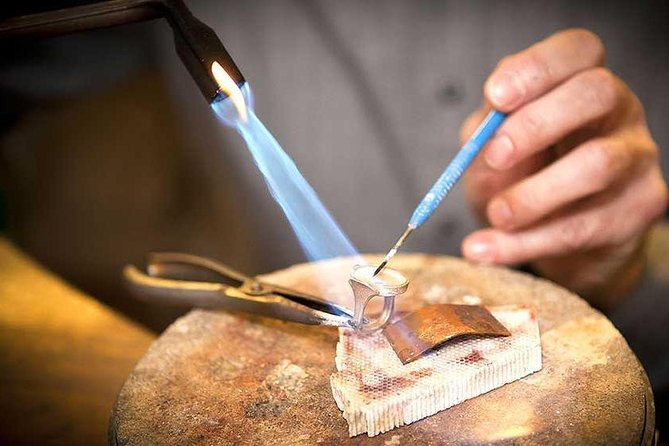
- Celuk Village for gold and silver jewelry
- Mas Village for woodcarving
- Batuan Village for traditional painting
- Tegalalang Rice Terrace: the subak system behind the views
- Ubud Royal Palace (Peliatan Palace): history you can point at
- Ubud Traditional Art Market: souvenirs, prices, and how to shop smart
- The ride and timing: an 8-hour rhythm from Seminyak
- Price and value: what $61.65 really buys you
- What to pack and how to avoid a soggy, cramped day
- Who this tour suits best (and who should think twice)
- Should you book the Ubud Waterfall Tour?
- FAQ
- What time does the tour start?
- Where does pickup happen?
- What attractions are included in the day?
- Are entrance tickets included?
- Is lunch or meals included?
- Is this a private tour?
- Can I cancel for a full refund?
Key highlights to know before you go
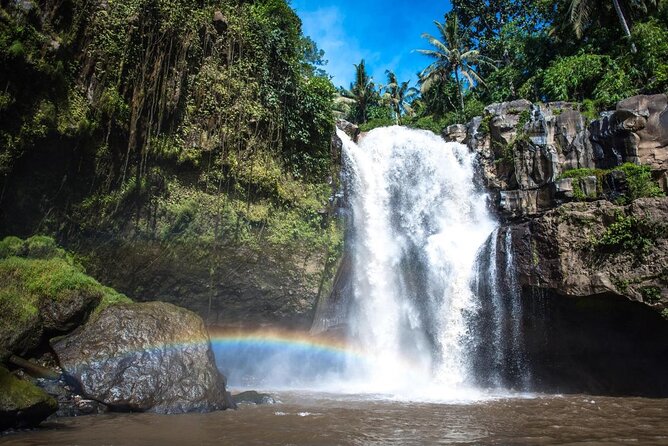
- Tegenungan Waterfall (15 meters) with a green valley setting and time to relax
- Celuk, Mas, and Batuan for gold/silver jewelry, woodcarving, and traditional painting
- Tegalalang Rice Terrace and the subak irrigation system that keeps the fields working
- Ubud Royal Palace (Peliatan area) with real historical details tied to local rulers
- Ubud Traditional Art Market for affordable souvenirs like clothes, food, and handicrafts
- A/C private car and English-speaking driver, plus attraction entrance tickets
First stop: Tegenungan Waterfall and what to expect on the ground
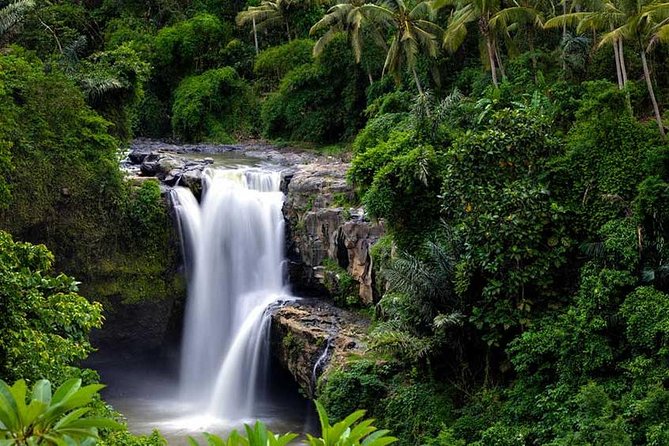
Tegenungan is one of those places that feels immediately scenic, even before you reach the viewing area. The waterfall drops about 15 meters into a lush, tree-filled valley. You’ll also notice that it’s not just a pretty backdrop. The current can be strong, and it’s especially noticeable in the wet season.
This matters for two reasons. First, if you’re thinking of swimming, go in with caution and choose your spot carefully. Second, the path and surrounding areas can feel slippery. Wear shoes you don’t mind getting a little damp, and keep an eye on footing.
The good news: the whole point here is easy relaxation. You’ll get around an hour at the waterfall, which is long enough to take photos, cool off, and still not feel rushed. One more practical tip: bring a little patience. Waterfall days in Bali tend to involve humidity, waiting at photo spots, and slow-moving crowds, even when the tour pace is smooth.
More Ubud days: monkey forest, rice terraces and temples
- Ubud Hot Springs and Waterfall Private Guided Tour
★ 5.0 · 719 reviews - Ubud: Monkey Forest, Water Temple, Rice Terrace, Waterfall
★ 5.0 · 538 reviews - Ubud Tour – Ubud Highlight – Private Tour All inclusive
★ 5.0 · 399 reviews - Ubud Tour With Sacred Monkey Forest Sanctuary – Waterfall – Rice Terrace
★ 5.0 · 385 reviews - Tanah Lot Tour with Ubud Monkey Forest, Rice Terraces, and Waterfalls
★ 5.0 · 273 reviews
Celuk, Mas, and Batuan: real Bali crafts in three art villages
After the waterfall, the vibe shifts from nature to human skill. Ubud’s craft villages are where you see how traditions turn into daily work—hands shaping materials, artists refining details, and workshops that sell what they make.
Here’s how the stops typically line up:
Celuk Village for gold and silver jewelry
Celuk is the place to focus on if you love jewelry or even just want to understand how it’s made. If you’re shopping, this is where you’ll find a lot of attention on design and finish. It’s also the most straightforward stop if you want to buy souvenirs that feel tied to place, not just imported stuff.
Mas Village for woodcarving
Mas is known for woodcarving, and that means you’ll be looking at the real texture of craftsmanship—carved faces, figures, and patterns that look better up close than in photos. If you’re shopping, this stop can be a good place to compare styles and prices before you commit.
Batuan Village for traditional painting
Batuan is where you’ll see the more painting-focused side of Ubud art. This is the best stop if you like art as a record of culture, not just as decoration. It’s also a strong option for gifts because painted works tend to feel more personal than mass-market souvenirs.
One more thing I appreciate in this kind of route: you’re not bouncing around random craft shops. You’re being taken through clusters of villages with specialties, so the day feels coherent.
Tegalalang Rice Terrace: the subak system behind the views
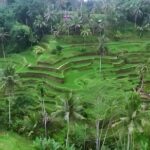
Then you get the view everyone comes for: Tegalalang Rice Terrace. The terraces here are famous for a reason—layers of green fields, sweeping lines, and that Bali light that makes everything look extra crisp.
But the smart part is that you don’t just stare. You get context about the subak, the traditional Balinese cooperative irrigation system. When you understand that people have been managing water this way for generations, the terraces stop being just scenery. They become a working system.
You’ll have about an hour at the rice terrace. That’s enough time to:
- walk to a viewpoint that fits your energy level
- take photos without turning the stop into a full hike
- grab a cool drink nearby if you want to recharge
Practical note: the rice terrace area can be busy. Go slow, keep your balance on uneven ground, and watch where you step. If you’re planning to buy something or ask questions, do it early in your visit while you’re still fresh—later, the crowd and heat can make everything feel more rushed.
Other hidden waterfalls and jungle canyon stops inland

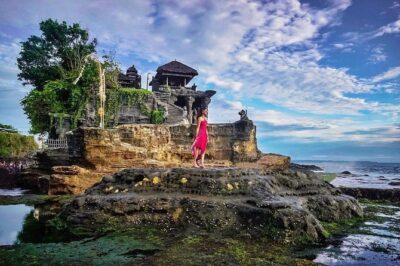
Ubud Royal Palace (Peliatan Palace): history you can point at
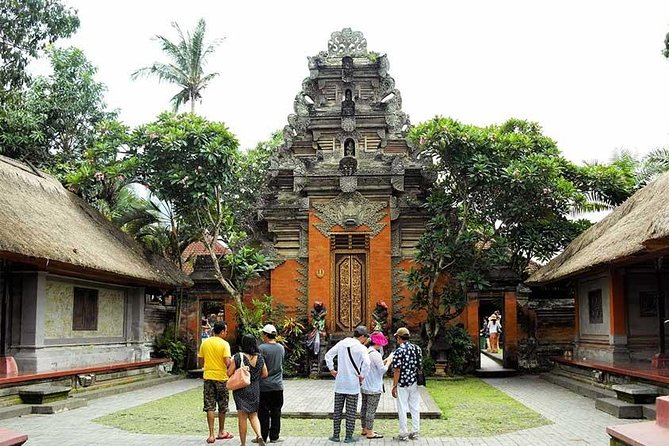
Next up is the Ubud Royal Palace, often referred to as the focal landmark of Ubud. This stop is less about views and more about understanding how power and culture shaped the town.
The palace was built during the lordship of Ida Tjokorda Putu Kandel (1800–1823). That date matters because it anchors the visit in real local lineage. You’re not just looking at something old. You’re looking at something connected to specific historical leadership and continued care by later heirs.
You’ll have around an hour here, which is a good amount of time. Long enough to get oriented, notice details, and appreciate the layout. If you like when your day has variety—water, crafts, rice terraces—this palace stop gives your brain a different kind of workout.
Small advice: dress respectfully. Even if you’re not going to a temple ceremony, a palace is still a cultural space.
Ubud Traditional Art Market: souvenirs, prices, and how to shop smart
No Ubud day tour feels complete without the shopping stop. This one lands at the Ubud Traditional Art Market, and it’s set up for easy browsing.
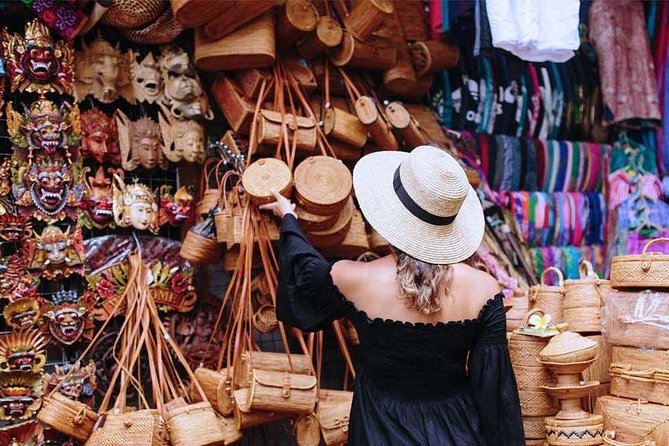
The big advantage is affordability. You’ll find plenty of items—clothes, food, and art handicrafts—and the idea is that you can actually buy without your budget panicking. It’s also typically busy, which makes it feel alive (and also means you’ll want to be comfortable moving through crowds).
How I’d shop here if you want to get value:
- start with one category (like small handicrafts), then branch out
- compare a couple of stalls before buying big-ticket items
- ask about what it is made from or how it’s crafted, especially for art pieces
Also, bring some flexibility. Markets can be unpredictable: one stall might have the exact item you want, but the price will vary by stall. The time at the market is about an hour, so set your priorities early and stick to them.
The ride and timing: an 8-hour rhythm from Seminyak
This is a classic one-day structure. Start time is 8:00 am, and the whole loop runs about 8 hours.
From Seminyak (and also from places like Kuta, Jimbaran, Sanur, Ubud, and Nusa Dua), the transfer to Ubud usually takes enough time that you’ll feel you’re doing a real day excursion, not a quick hop. The upside is that you get a private car with good A/C, and you’re not squeezing into a shared van.
The driver also plays a major role. In at least one account, the guide Nik was not just a driver—he shared a lot about Bali along the route and explained history and culture at multiple stops. That kind of narration changes how you experience the day because you understand what you’re looking at, not just where it is.
One route detail to keep in mind: on the way to Ubud, you might stop near Batubulan Village to watch the Barong Dance performance. It’s not guaranteed in every case from the information given, but it’s the kind of add-on that can happen depending on the day and timing.
Price and value: what $61.65 really buys you
Let’s talk value, because $61.65 can mean very different things in Bali.
At this price point, you’re getting:
- pickup and drop-off from a long list of areas
- a private A/C car
- an English-speaking driver
- entrance tickets included for each stop
In other words, you’re not paying separately for transport and ticket entry each time. That’s a big deal on a day like this because the cost creep is real when you do it on your own.
Where you might feel the cost most, though, is meals and optional spending. Meals are not included, and tipping your driver is also an extra. So if you’re doing this on a budget, plan ahead: eat before you go or bring a simple plan for lunch rather than assuming it’s covered.
One more subtle value point: the itinerary blends different Ubud themes—waterfall nature, art villages, rice terraces, palace history, and the market. You’re not getting one-note sightseeing.
What to pack and how to avoid a soggy, cramped day
This is a practical day, but it’s still outdoors. Bring:
- something light for the heat (and a layer if the air-conditioning feels harsh)
- shoes that can handle wet surfaces
- a small towel or at least quick-drying basics if you plan to get close to the waterfall
- cash or a card you can use easily for market shopping (markets can be cash-friendly)
If you’re tempted to swim at Tegenungan, treat it like a bonus, not a requirement. The current can be strong, and you’ll enjoy the day more if your plan is mostly relaxing and photographing rather than battling water.
Who this tour suits best (and who should think twice)
This tour fits well if you want a structured Ubud day without doing logistics yourself. It’s especially good for:
- first-time visitors who want the core sights in one loop
- people who like crafts and culture, not just photo stops
- anyone staying in Seminyak, Kuta, or nearby areas who wants an easier pickup
You might think twice if:
- you hate a full day outing and would rather move at your own pace
- you’re expecting meals included
- you’re set on lots of swimming at waterfalls, given the strong current risk
Also, since it’s a private tour with only your group, it’s generally better for couples, families, or small groups who want a more personal feel than a bus tour.
Should you book the Ubud Waterfall Tour?
Yes, I’d book it if your goal is a smooth, ticketed Ubud day that mixes nature, crafts, and history—while keeping transport simple. The private A/C car and English-speaking driver help the day feel efficient, and the inclusion of entrance tickets removes a lot of the usual planning headache.
I’d hesitate only if you’re very budget-tight on food, or if you’re coming mainly for waterfall swimming and nothing else. For most people, this is a strong value way to see Ubud’s best-known sides without turning the trip into a spreadsheet.
FAQ
What time does the tour start?
The tour start time is 8:00 am.
Where does pickup happen?
Pickup is offered from the Seminyak, Kuta, Jimbaran, Sanur, Ubud, and Nusa Dua area, and also hotel pickup is included.
What attractions are included in the day?
You’ll visit Tegenungan Waterfall, Celuk Village, Mas Village, Batuan Village (art village area), Tegalalang Rice Terrace, the Ubud Royal Palace (Peliatan Palace), and the Ubud Traditional Art Market.
Are entrance tickets included?
Yes. Entrance tickets for each attraction are included.
Is lunch or meals included?
No. Meals are not included, and you’ll need to pay for them separately.
Is this a private tour?
Yes. It’s listed as a private tour/activity, and only your group will participate.
Can I cancel for a full refund?
Yes. Free cancellation is available. You can cancel up to 24 hours in advance of the experience for a full refund.
More Tour Reviews in Seminyak
- Bali Full-Day Traditional Village Sightseeing Trip All Inclusive★ 5.0 · 3,069 reviews
- Experts Bali Driver : Best Bali Private Driver for Tour in Bali★ 5.0 · 1,339 reviews
- Bali Hai Sunset Dinner Cruise★ 5.0 · 1,173 reviews
- Mount Batur Sunrise Trekking★ 5.0 · 947 reviews
- Mount Batur Sunrise Jeep Adventure★ 5.0 · 898 reviews
- Private Arrival Transfer: Bali Airport to Hotel★ 4.5 · 739 reviews
Chasing More Waterfalls
- Ubud Hot Springs and Waterfall Private Guided Tour★ 5.0 · 719 reviews
- Bali Secret Waterfall Tour – Private and All-Inclusive★ 5.0 · 688 reviews
- Bali Quad Bike Pass by Waterfall Gorilla Cave Private Transfer★ 5.0 · 638 reviews
- Ubud: Monkey Forest, Water Temple, Rice Terrace, Waterfall★ 5.0 · 538 reviews
- Ubud Tour With Sacred Monkey Forest Sanctuary – Waterfall – Rice Terrace★ 5.0 · 385 reviews
- Tanah Lot Tour with Ubud Monkey Forest, Rice Terraces, and Waterfalls★ 5.0 · 273 reviews
More Ubud Day Trips
- Ubud Hot Springs and Waterfall Private Guided Tour★ 5.0 · 719 reviews
- Ubud: Monkey Forest, Water Temple, Rice Terrace, Waterfall★ 5.0 · 538 reviews
- Ubud Tour – Ubud Highlight – Private Tour All inclusive★ 5.0 · 399 reviews
- Ubud Tour With Sacred Monkey Forest Sanctuary – Waterfall – Rice Terrace★ 5.0 · 385 reviews
- Tanah Lot Tour with Ubud Monkey Forest, Rice Terraces, and Waterfalls★ 5.0 · 273 reviews
- Ubud Waterfalls, Temple & Rice Terrace Guided Tour★ 5.0 · 238 reviews
Keep exploring Seminyak and the rest of Bali


Ubud Day Trips from Seminyak, compared.
 ★ 5.0Ubud Hot Springs and Waterfall Private Guided TourFrom $18719 reviews
Ubud: Monkey Forest, Water Temple, Rice Terrace, WaterfallFrom $28538 reviews
★ 5.0Ubud Hot Springs and Waterfall Private Guided TourFrom $18719 reviews
Ubud: Monkey Forest, Water Temple, Rice Terrace, WaterfallFrom $28538 reviews
 ★ 5.0Ubud Tour – Ubud Highlight – Private Tour All inclusiveFrom $59399 reviews
Ubud Tour With Sacred Monkey Forest Sanctuary – Waterfall – Rice TerraceFrom $25385 reviews
★ 5.0Ubud Tour – Ubud Highlight – Private Tour All inclusiveFrom $59399 reviews
Ubud Tour With Sacred Monkey Forest Sanctuary – Waterfall – Rice TerraceFrom $25385 reviews
 ★ 5.0Tanah Lot Tour with Ubud Monkey Forest, Rice Terraces, and WaterfallsFrom $67273 reviews
Ubud Waterfalls, Temple & Rice Terrace Guided TourFrom $22238 reviews
★ 5.0Tanah Lot Tour with Ubud Monkey Forest, Rice Terraces, and WaterfallsFrom $67273 reviews
Ubud Waterfalls, Temple & Rice Terrace Guided TourFrom $22238 reviews
 ★ 5.0Bali Private Car Charter With English Speaking Driver To Ubud AreaFrom $25138 reviews
Ubud Tour With Tirta Empul Holy Water TempleFrom $23123 reviews
★ 5.0Bali Private Car Charter With English Speaking Driver To Ubud AreaFrom $25138 reviews
Ubud Tour With Tirta Empul Holy Water TempleFrom $23123 reviews
Browse the lists this tour appears in