
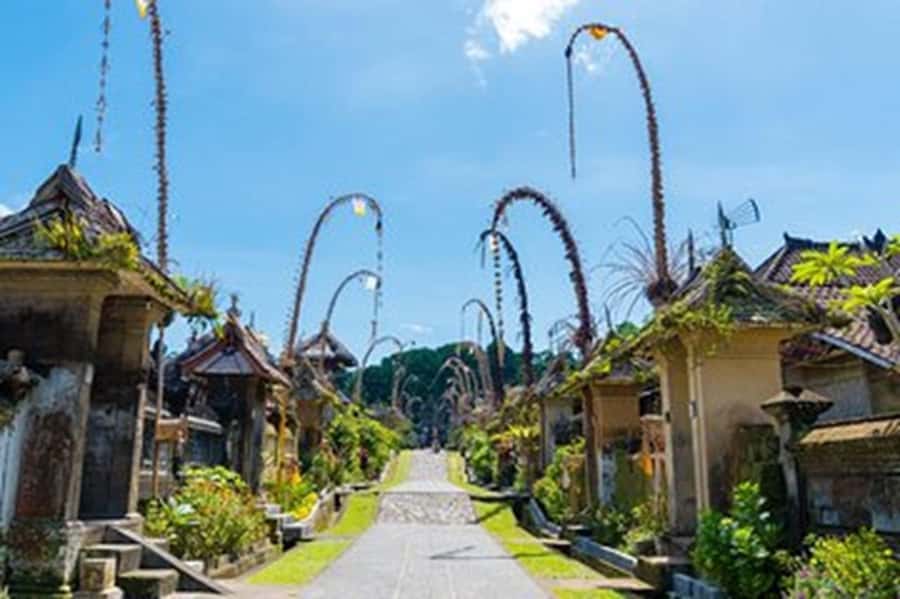
REVIEW · LUNCH EXPERIENCES
Bali: Local Village and School Tour with Lunch
School uniforms and rice fields set the tone. I really like the local elementary school visit (you see how kids start their day, in uniforms, with a guide explaining the system), and I love the hands-on village lessons—from offerings to plowing rice fields and making food. One heads-up: the day is packed with multiple stops and short photo windows, so you need comfy shoes and a good sense of time.
This is the kind of Bali tour where the guide’s role matters. With Suanda (Bali Tour Driver Guide Suanda) leading in English, you get explanations tied to what you’re actually seeing: Hindu temples and everyday traditions, plus a Barong-style welcome dance and bamboo music where you’re meant to join in. You’ll also notice the day leans active, not just sightseeing.
By the time lunch arrives, you’re ready for it. There’s time to watch dance performances and you’ll even hear kids performing as part of the cultural program, then finish with Renon Museum miniatures for a more “big picture” look. If you’re expecting lots of free time to wander on your own, you might feel a bit scheduled.
In This Review
- Key highlights to look for
- School, temples, and a community welcome in one long day
- Morning pickups and the first 30 minutes at the visitor center
- Local elementary school: what you’ll learn in the uniforms
- Barong welcome dance and bamboo music: participatory, not passive
- Offerings, holy water, sacred bracelets, and temple storytelling
- Rice field work and village steps: hands-on Balinese daily life
- Cooking workshop moments: satay lilit, offerings, coconut oil, coffee roasting
- Lunch with JOGED music dance and a children’s performance
- Photo stops: Ubud Jungle Swing, viewpoints, and quick “secret” stops
- Tirta Empul photo stop and Renon Museum miniatures for context
- Price and value: why $140 can be worth it (or not)
- What to bring (and what to expect you’ll do)
- Should you book this Bali village and school tour?
- FAQ
- How long is the Bali village and school tour with lunch?
- What’s included in the $140 per person price?
- Where can I get picked up and dropped off?
- Is the tour guide available in English?
- What should I bring for the day?
- Who is this tour not suitable for?
Key highlights to look for
- A real school visit with uniforms and a guide-led explanation of the Balinese education system
- Hands-on Balinese village activities, including plowing rice fields and making offerings
- Participatory culture moments, like bamboo music and carrying offerings while walking
- Food-making as a lesson, from satay lilit to coconut oil and coffee roasting
- Lunch paired with music and dance, including the JOGED performance and children’s dances
School, temples, and a community welcome in one long day
This tour is built around “daily life,” not just the famous sights. You start with education and community space (the school), shift into spirituality and ritual (temple visits and holy-water moments), then end in food and culture (cooking, offerings, dance, and museum miniatures). That flow is the point: it helps you connect Bali’s religion, work, and family life instead of treating everything like separate photo ops.
You’ll be moving through different parts of the day with a local guide-driver, plus a driver handling transport. That means you spend less time figuring out directions and more time learning what the things mean.
Best for: you want a structured but interactive day, you’re curious about how Balinese families live, and you’re okay with heat, walking, and doing a few activities with your hands (not just watching).
A few more things to do around Bali worth comparing
- From Bali: Nusa Penida Private Snorkeling Tour with Lunch
★ 4.9 · 2,067 reviews
Morning pickups and the first 30 minutes at the visitor center
The day starts with one of seven pickup options: Kuta, Canggu, Denpasar, Seminyak, Uluwatu, Ubud, and Kuta Selatan. That’s useful if you’re staying on the main south coast or closer to Ubud. Expect a standard morning rhythm: meet up, get briefed, then head out.
You’ll stop at a visitor center for about 30 minutes. This is where you can get your bearings—use the time to hydrate, double-check you have sunscreen and water, and put your camera strap where you can reach it fast.
Practical tip for you: since the rest of the day includes village steps and hands-on activities, wear shoes you can actually walk in for a long stretch. Comfortable clothes help too, especially because you’ll be outside for long periods.
Local elementary school: what you’ll learn in the uniforms
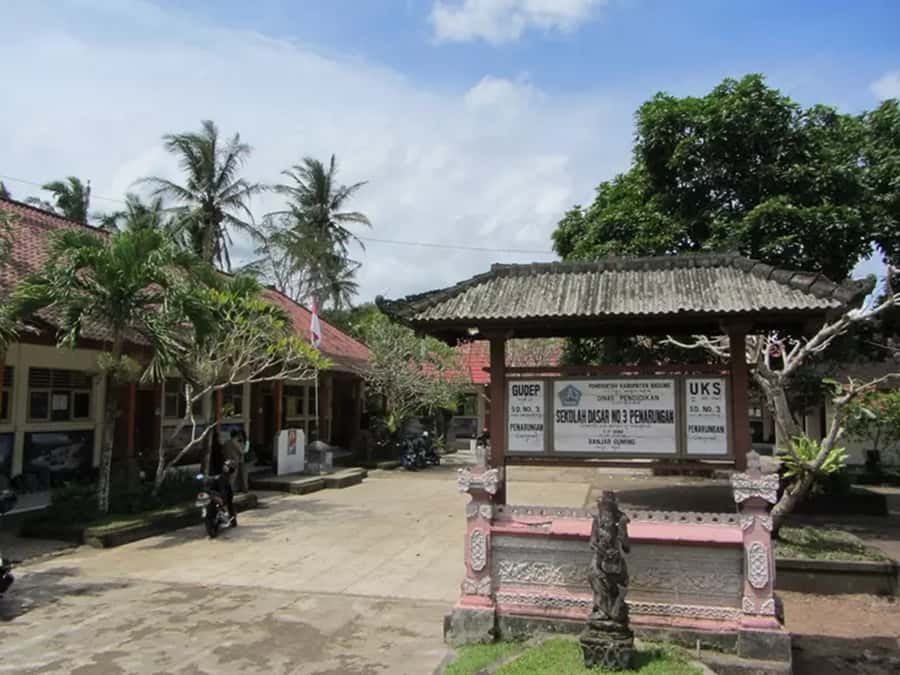
One of the strongest parts of this tour is the elementary school visit. On weekdays, you can see children in their uniforms. Your guide explains the Balinese education system, and that context matters because you’re not just photographing kids—you’re learning how education fits into everyday community life.
You may also notice how the school environment connects to local culture. Even if you don’t speak the language, uniforms and routines give you a clear “what a school day looks like” picture.
What to be mindful of: this is a school setting. Keep your movements calm and follow your guide’s cues around where to stand and how to interact.
Barong welcome dance and bamboo music: participatory, not passive
After the school, the tour shifts into a welcome performance. You’ll watch a traditional Balinese welcome dance in the form of Barong. Then there’s a chance to interact by playing bamboo music.
That’s the difference between a show you watch from the side and something that feels like a moment in the community. Even if you’re not sure what you’re doing with bamboo instruments, you’ll understand the energy quickly because you’re part of the rhythm.
The tour also includes offering-walking practice: women can learn to carry Balinese offerings while walking. If that’s not for you, you can still observe with your guide’s explanation.
Good to know for your expectations: this portion feels cultural and upbeat, but it also follows local tradition. Keep your posture respectful and don’t treat it like a stage you own.
Offerings, holy water, sacred bracelets, and temple storytelling
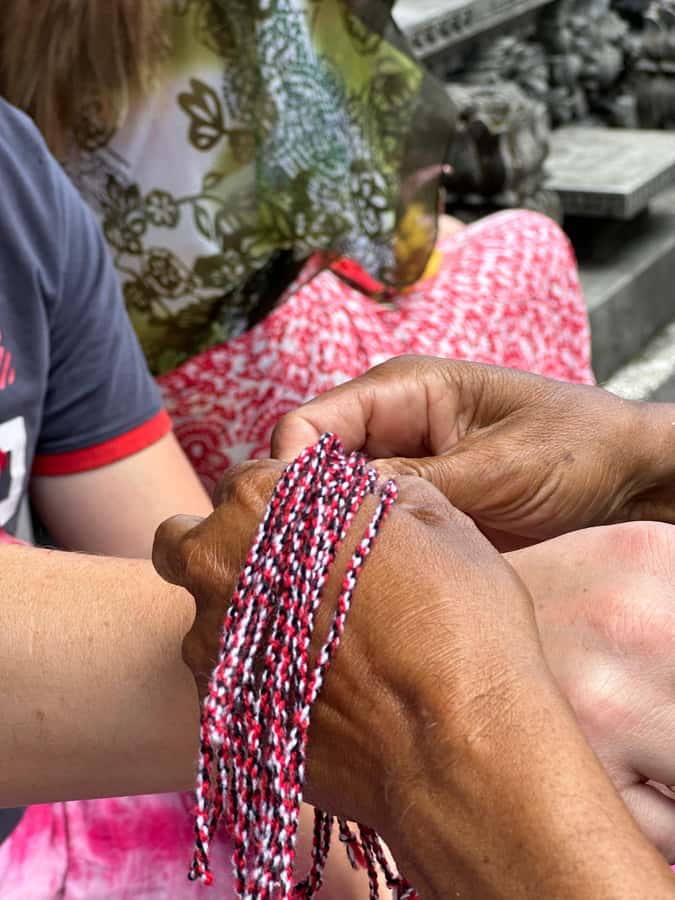
Next you’ll visit a family temple. You’ll get holy water and sacred bracelets as part of the experience, with guided explanation along the way.
Temple visits are often where tours either feel thoughtful or feel touristy. Here, the structure is built around learning: you’re not just receiving items; you’re hearing what they represent and how they fit into belief and daily practice.
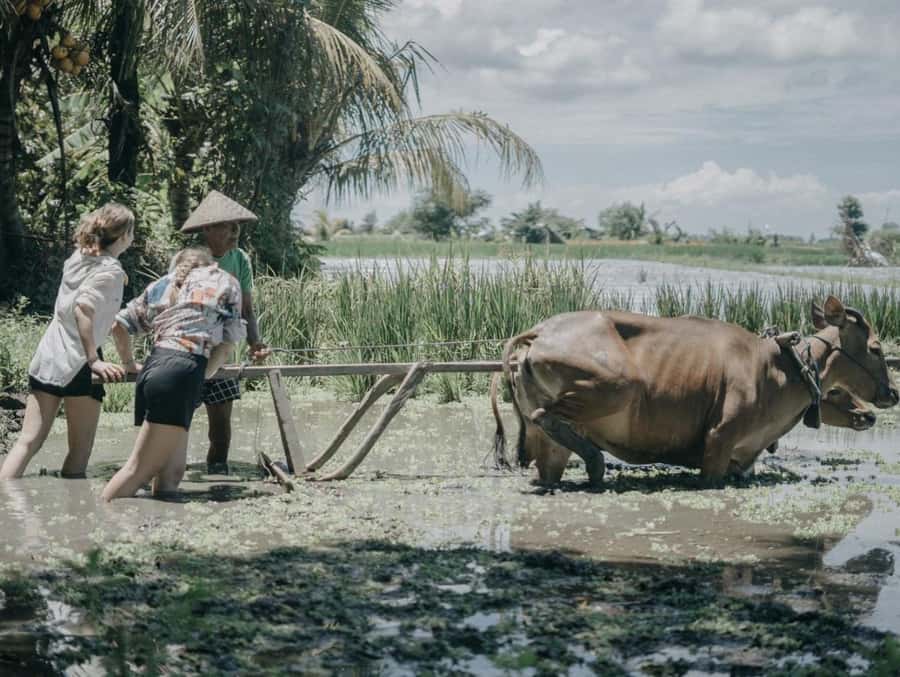
Then you move into rice field territory. You’ll walk through the rice field area and try your hand at plowing the rice fields in the traditional way. That’s one of those activities that’s harder than it looks in photos—your guide’s technique and patience help you do it safely and in context.
Consideration for you: holy-water and bracelet moments can be meaningful. If you’re not comfortable receiving spiritual items, tell your guide early. You can always choose how to participate, but don’t be surprised if the day expects openness.
Rice field work and village steps: hands-on Balinese daily life
The village program is where you get the most “do it yourself” moments. You’ll make Balinese offerings, and you’ll spend time in the rice field area doing traditional-style plowing. You’ll also see (and learn about) the way daily tasks connect to ritual—because food, offerings, and seasons all tie together in a practical way.
One of the lessons you might take home is that Bali isn’t only about ceremonies. It’s also about repetition: caring for crops, preparing offerings, maintaining a routine that supports family and community.
Heads-up: this segment is likely to be warm, dusty, and active. Bring what the tour recommends—hat, sunscreen, and water. If you tend to get tired in heat, pace yourself. Don’t sprint from activity to activity just because you want photos.
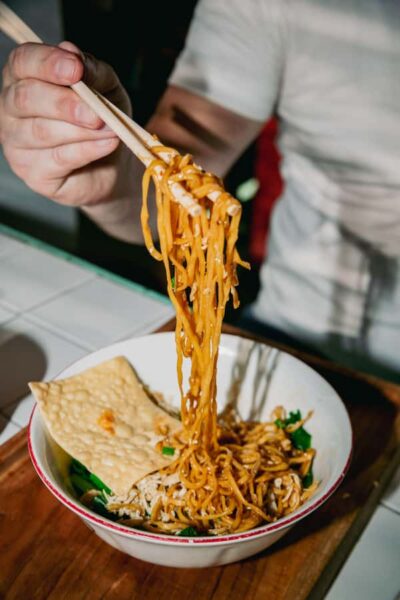
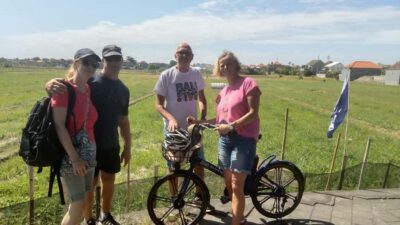

Cooking workshop moments: satay lilit, offerings, coconut oil, coffee roasting

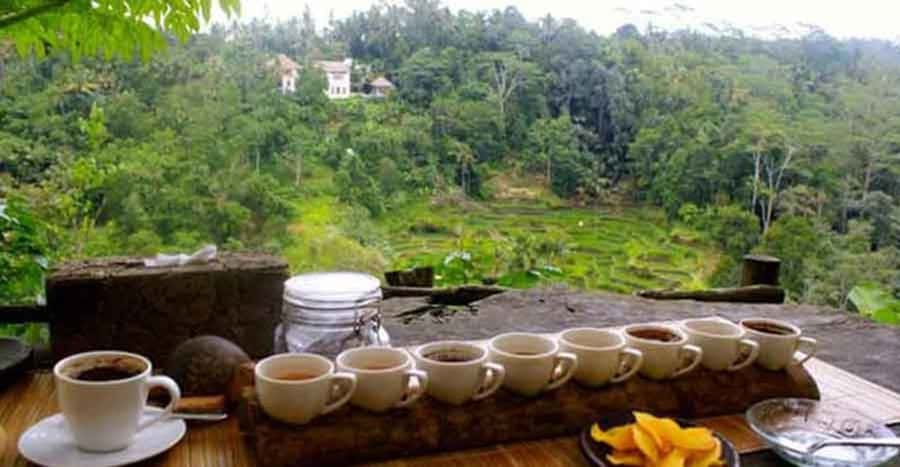
Later, the tour moves to a local house where you’ll learn cooking and daily craft steps. You’ll try making Balinese satay lilit, making Balinese offerings, making coconut oil, and roasting coffee.
What I like about this part is that it’s practical. You don’t just learn that Balinese people use coconut or coffee—you get a sense of the steps, timing, and hands-on effort behind the final result.
It also gives you something you can remember after the trip. Many travelers enjoy dance performances, then forget the food. This tour makes the food part of the story.
Practical caution: anything involving food prep and roasting can involve heat and strong smells. If you’re sensitive to smoke or intense aromas, let your guide know and stand where you feel comfortable.
Lunch with JOGED music dance and a children’s performance
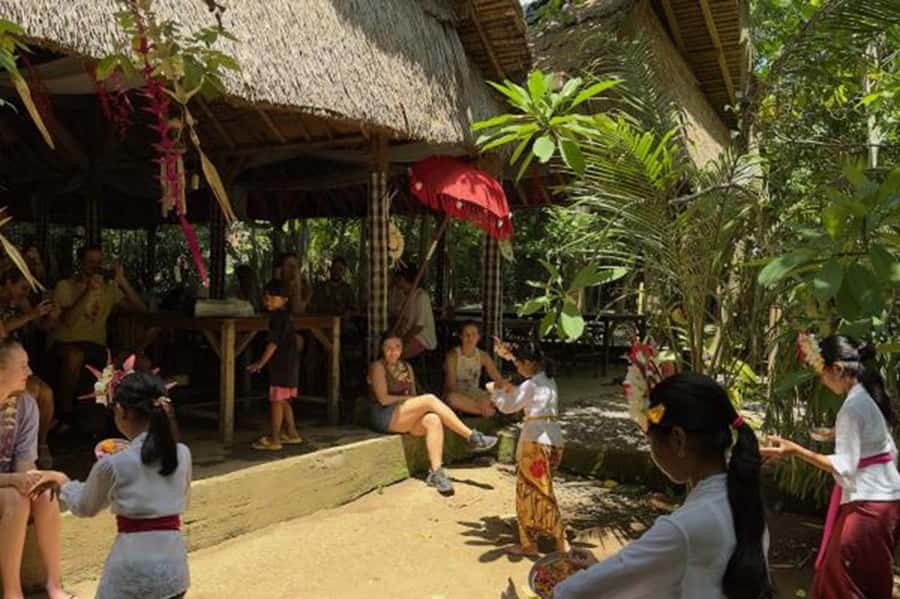
Lunch is included, and it comes with cultural programming. During the lunch session, you’ll enjoy JOGED music dance—a typical Balinese dance—plus a Balinese dance from talented children.
This is a nice pivot point in the day. After hands-on work, you sit down, eat, and let the performances take over your attention. It also reinforces the idea that culture is woven through daily life: dance isn’t separated into a single entertainment time slot.
What to expect: you’ll have a meal, then watch dance programming as part of the lunch block. If you’re the type who likes to keep eating without interruptions, you may need to pace yourself so you don’t feel rushed.
Photo stops: Ubud Jungle Swing, viewpoints, and quick “secret” stops
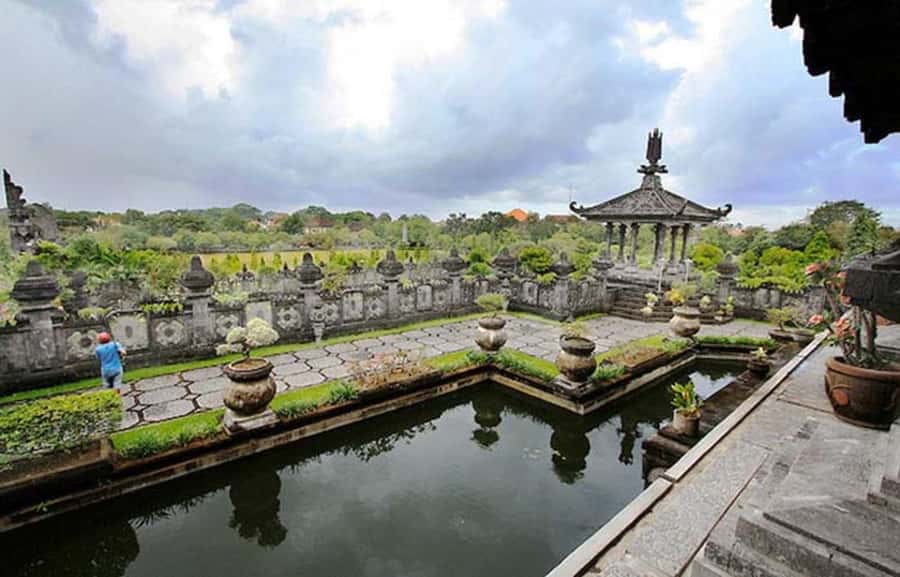
In the itinerary you’ll also hit a sequence of photo-stop moments: Ubud Jungle Swing, a viewpoint, and another secret stop. These stops are scheduled as shorter windows, with guided touring time and sightseeing time listed, but the focus is clearly on photos and scenic angles.
This is where your personal preference matters. If you love quick breaks for photos and scenery, you’ll probably enjoy the pace. If you came for long village discussions and uninterrupted learning, these “photo-first” pieces can feel like filler.
The good news: they’re spaced through the day so you get a change of scenery. The not-so-good news: you won’t have hours to linger at each one.
My advice: use these moments for practical shots—your guide, landscapes, the route between areas. Then get back into the hands-on segments with renewed energy.
Tirta Empul photo stop and Renon Museum miniatures for context
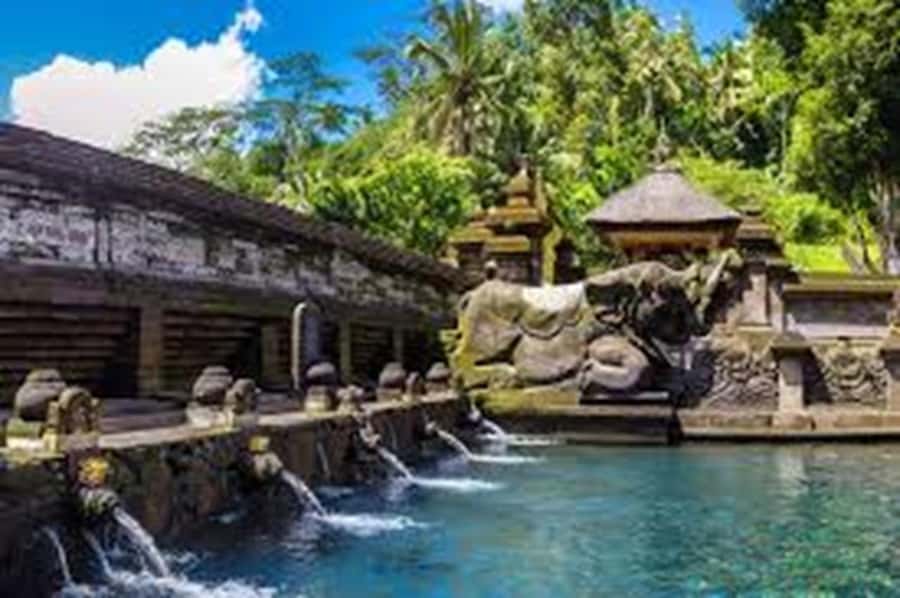
Toward the later part of the tour, you’ll have a photo stop and guided visit at Tirta Empul, then finish with Renon Museum. Renon Museum focuses on miniatures of Balinese history in the past.
I like ending with miniatures because it gives context after you’ve already seen everyday life up close. By that point, you’ve learned about education, offerings, temple moments, rice work, and dance. The museum adds a “how the pieces fit over time” feeling, using small-scale models to summarize earlier eras.
This part of the day works best if you’re willing to slow down. Museums reward attention. If you’re running on empty, you can still get the gist, but it helps to take in the guide’s explanation.
Price and value: why $140 can be worth it (or not)
At $140 per person for a 10-hour day, this isn’t a bargain snack tour. It’s a full program. The value comes from what’s included:
- all entrance fee and donation
- lunch
- transport
- driver as your guide
- mineral water
- parking fee
Also, the tour includes multiple guided components: school visit context, temple explanation, hands-on cooking and offerings, and dance programming. That’s a lot of paid, time-intensive pieces stitched together into one day, and you don’t have to coordinate them on your own.
When it’s a great value for you: if you want a local-school viewpoint, hands-on village activities, and you value cultural context over “just drive by.”
When to think twice: if you mainly want freedom to roam, or if you hate structured, scheduled days with lots of short stops. The photo-stop sequence means you’re not getting a relaxed itinerary.
A personal scheduling note for you: this is a long day. If you plan it on a travel day, choose it wisely. Keep your next day lighter if you can.
What to bring (and what to expect you’ll do)
The tour clearly recommends:
- comfortable shoes
- hat
- camera
- sunscreen
- water
- comfortable clothes
That list is spot on. You’ll be outside, walking between areas, and participating in tasks that can get hands a bit dirty or dusty. Bring camera basics, but also pack like you’ll actually work a little—even if it’s gentle.
Not allowed:
- smoking
- alcohol and drugs
- littering
Respecting local rules is also part of the cultural experience. It keeps the day smooth for everyone.
Should you book this Bali village and school tour?
Book it if you want real village-life context—school, rituals, rice work, cooking lessons, and dance—without having to plan and arrange each piece yourself. The school visit and the hands-on activities are the standout reasons. Ending with Renon Museum miniatures helps you connect what you saw with how Balinese history is presented.
Skip it or reconsider if:
- you want lots of free time
- you don’t like packed schedules and short photo stops
- you prefer only watching, not participating in activities tied to offerings and village work
If you’re traveling with the right mindset—curious, respectful, and ready for a busy day—this is the kind of tour that leaves you with more than photos.
FAQ
How long is the Bali village and school tour with lunch?
It lasts 10 hours.
What’s included in the $140 per person price?
Entrance fees and donations, lunch, transport, a driver who serves as your guide, mineral water, and parking fees.
Where can I get picked up and dropped off?
Pickup is available from Kuta, Canggu, Denpasar, Seminyak, Uluwatu, Ubud, and Kuta Selatan. Drop-off is available in Seminyak, Kuta Selatan, Denpasar, Canggu, Uluwatu, Kuta, and Ubud.
Is the tour guide available in English?
Yes. The live tour guide speaks English.
What should I bring for the day?
Bring comfortable shoes, a hat, a camera, sunscreen, water, and comfortable clothes.
Who is this tour not suitable for?
It is not suitable for children under 9 years, pregnant women, or wheelchair users. Smoking, alcohol, drugs, and littering are also not allowed.
More Lunch Experiences in Denpasar
- From Bali: Nusa Penida Private Snorkeling Tour with Lunch★ 4.9 · 2,067 reviews
More Tour Reviews in Denpasar
- From Bali: Nusa Penida Private Snorkeling Tour with Lunch★ 4.9 · 2,067 reviews
- Canggu: Surfing Lesson with ISA Instructor★ 4.9 · 232 reviews
- Bali: Bites Food Tour with over 15 Tastings★ 4.8 · 136 reviews
- Sanur Village E-bike Tour: Family-Friendly Adventure★ 4.6 · 85 reviews
- Bali: Tarot, Oracle Reading, and Cleansing Tirta Empul Trip★ 4.7 · 72 reviews
- Bali: Delicious Indonesian Food Tour★ 4.4 · 56 reviews
Keep exploring Seminyak and the rest of Bali



Lunch Experiences, compared.
 ★ 4.9Nusa Penida Private Snorkeling Tour with LunchFrom $912,067 reviews
 ★ 5.0Bali Blue Lagoon Snorkeling – Lunch and Transport All InclusiveFrom $39588 reviews
 ★ 5.0Bali Blue Lagoon Snorkeling with Private Transfer & LunchFrom $39539 reviews
Bali ATV Quad Bike and Water Rafting with Lunch & TransportFrom $8755 reviews
★ 5.0Bali Blue Lagoon Snorkeling with Private Transfer & LunchFrom $39539 reviews
Bali ATV Quad Bike and Water Rafting with Lunch & TransportFrom $8755 reviews
 ★ 5.0Blue Lagoon Snorkeling with Lunch and Private TransportFrom $6044 reviews
 ★ 4.5Bali Countryside Eco Cycling Tour include LunchFrom $7829 reviews
 ★ 5.0Blue Lagoon Snorkeling with Lunch and Waterfall in UbudFrom $5029 reviews
 ★ 5.0All Inclusive Snorkeling at Blue Lagoon with LunchFrom $5025 reviews
Browse the lists this tour appears in