
REVIEW · HIKING & TREKKING
Bali: Rice Terraces Guided Hiking Experience
Rice terraces look good in photos, but the real payoff is how the system works. On this Kerobokan hike, you learn why Bali’s rice fields are more than scenery: subak irrigation and farmer-run temples sit at the center of daily life. One of the best parts is getting clear, practical explanations from guides like Lena, plus seeing how many crops and animals share the same landscape.
I also like that the walk is structured around real field details, not just viewpoints. You’ll trek about 2–3 kilometers across terrace tops, cross bamboo bridges, and hear how farmers manage water and biodiversity. One possible drawback: the surroundings can include houses and fewer dramatic mountain views than you might expect if you’re chasing a postcard shot.
In This Review
- Key Takeaways Before You Go
- Rice Terraces and the Subak System: Why This Hike Feels Different
- Starting in Kerobokan: Starbucks, Timings, and What the Day Looks Like
- Irrigation, Temples, and Farmer Life: The Subak Stop That Changes How You See the Fields
- The 2–3 Kilometer Terrace Trek: Wall Paths, Bamboo Bridges, and Wildlife
- The Café Reset: Coconut Water or Coffee and a Small Traditional Gift
- Price and Carbon-Neutral Value: What $39 Actually Buys You
- Photos, Views, and the One Thing You Should Adjust Your Expectations For
- Who This Tour Is For (and Who Should Skip It)
- Should You Book This Bali Rice Terrace Guided Hike?
- FAQ
- How long is the Bali rice terraces guided hiking experience?
- Where does the tour start and end?
- Is it a shared tour or private tour?
- What is included in the $39 price?
- What should I bring for the hike?
- Is the tour suitable for children?
- Is the tour carbon neutral?
Key Takeaways Before You Go
- Subak irrigation gets explained in plain terms, including how water management connects farmers, land, and religion
- You visit a subak agricultural temple, a stop that many tourist routes skip
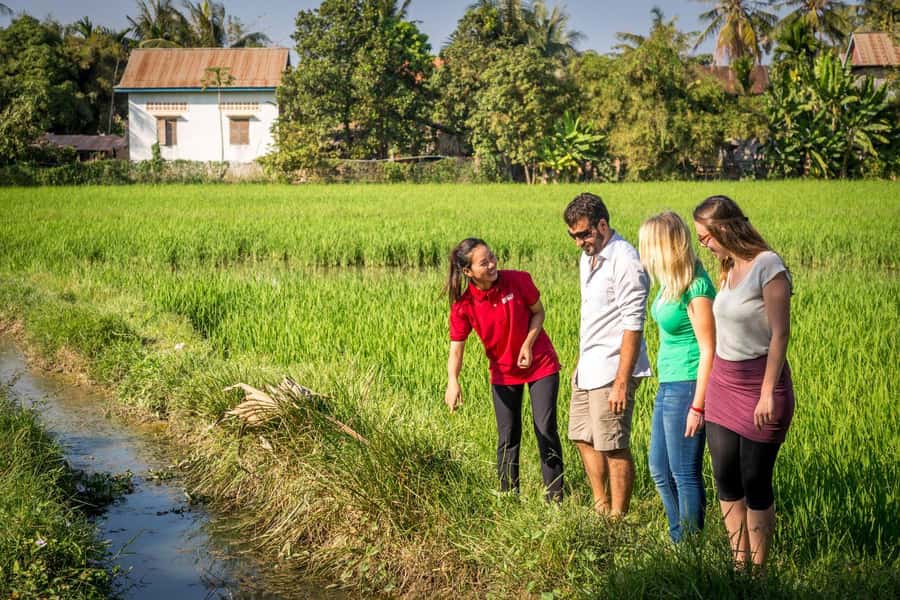
- Expect a 2–3 kilometer hike using terrace edges and bamboo bridges for field-to-field crossings
- Learn why rice fields host more than rice, including frogs, fish, crabs, and snails
- Finish with coconut water or coffee plus light snacks, after all that walking
- You’ll get an udeng or sash gift, tied to local tradition
Rice Terraces and the Subak System: Why This Hike Feels Different
Bali’s rice terraces are famous, but this tour teaches you how they function. The big idea you’ll take home is subak—the ancient irrigation system that’s still used today. It isn’t just water pipes and schedules. It’s a community system with rules, shared responsibilities, and spiritual connections that help farmers coordinate planting and water use.
That makes the experience feel grounded. Instead of only looking down at green steps, you start noticing how water moves, how farmers work together, and how the fields support life. The guide focus stays on agriculture as a living system: crops, animals, people, and the rules that keep it all going.
If you want the cultural angle, this one delivers. You’ll learn about water priests who honor relationships among humans, Earth, and the gods, and you’ll visit a subak temple farmers use as a gathering place. That temple visit is one reason this tour can feel more authentic than the typical “walk and snap pictures” approach.
Still weighing it up? Here are more Seminyak tours and Bali day trips worth a look.
- From Bali: Nusa Penida Private Snorkeling Tour with Lunch
★ 4.9 · 2,067 reviews - Canggu: Surfing Lesson with ISA Instructor
★ 4.9 · 232 reviews - Bali: Bites Food Tour with over 15 Tastings
★ 4.8 · 136 reviews - Sanur Village E-bike Tour: Family-Friendly Adventure
★ 4.6 · 85 reviews - Bali: Tarot, Oracle Reading, and Cleansing Tirta Empul Trip
★ 4.7 · 72 reviews
Starting in Kerobokan: Starbucks, Timings, and What the Day Looks Like
The tour starts at Starbucks Kerobokan and ends back at the same meeting point. That’s useful because you’re not guessing where the route begins. You’ll begin at the meeting spot, then head away from the busier beach areas and toward the rice fields.
Timing is simple on paper: it runs for about 3 hours, and you’ll see different starting times when you check availability. You can choose a shared tour or a private tour depending on your group and preferred pace.
Wear comfortable shoes and comfortable clothes. The reason is practical: the trek uses terrace tops as pathways, and you’ll cross rivers using farmers’ bamboo bridges. Those aren’t the kinds of surfaces where flip-flops or slippery soles feel smart. Bring shoes you trust for careful stepping.
Also note that the tour isn’t designed for very young kids—it’s not suitable for children under 6 years. If you’re traveling with a smaller child, you may want to check whether the pace and footing will work for your group.
Irrigation, Temples, and Farmer Life: The Subak Stop That Changes How You See the Fields
After you arrive at the fields, your guide explains the subak irrigation system—introduced to Bali more than 1,200 years ago and still in use. This is where the tour gets interesting fast, because you learn to think about water as a shared resource that shapes everything.
Subak is central to Balinese culture, and the tour makes that connection clear. You’ll hear how water management isn’t only agricultural. It’s cultural, too. The system creates ecosystems for life in the fields, and it supports the farmers’ community structure.
A standout moment is visiting a subak agricultural temple. This is a gathering place for farmers, not a tourist attraction designed for camera angles. The guide talks about water priests and the ideas behind why these temples matter. Even if you’re not a history nerd, it’s hard not to appreciate the logic: when farming depends on consistent water, communities tend to build shared places and shared meaning around that work.
And yes, you’ll probably notice the tour’s bias toward hands-on, field-level understanding. The explanations are tied to what you see next—terraces, channels, and the way fields connect.
The 2–3 Kilometer Terrace Trek: Wall Paths, Bamboo Bridges, and Wildlife
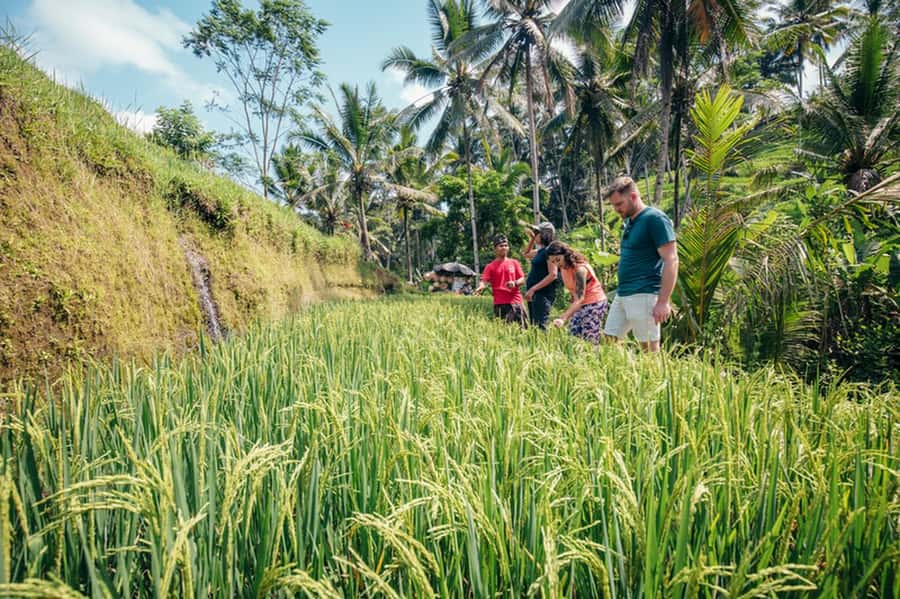
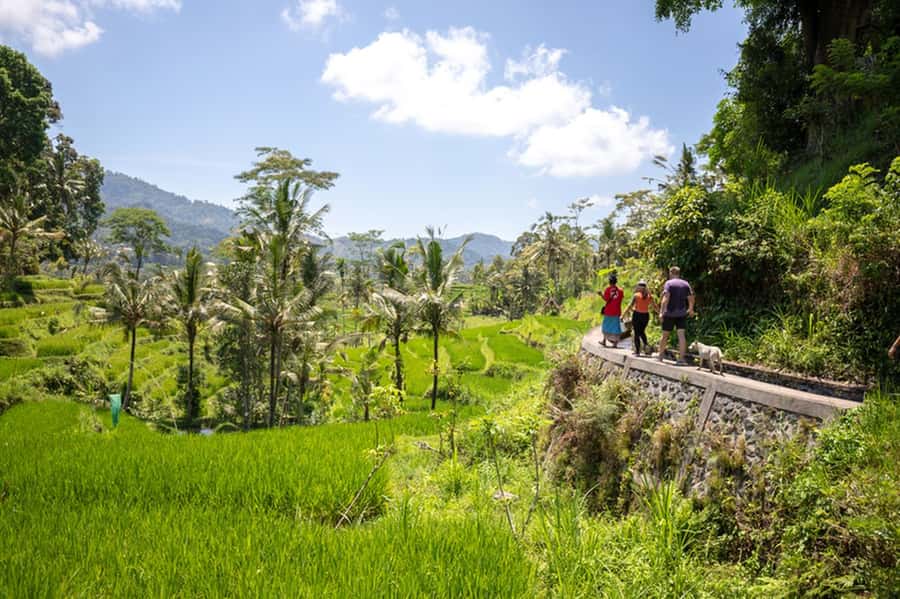
Once you’re done with the irrigation and temple context, you start walking. The trek is roughly 2 to 3 kilometers, and you’ll move through the terraces using the tops of the walls as pathways. That setup gives you a closer look at how the fields are built and divided, but it also means you’re constantly stepping on uneven edges. Take your time.
You’ll also cross over rivers. The tour uses farmers’ bamboo bridges between fields. These crossings are short, but they’re the moments where good shoes and steady footing matter most. If you’re the kind of person who rushes, slow down here.
One of the biggest reasons this hike earns strong ratings is the way you learn to spot the field’s ecosystem. You won’t just hear rice trivia. You’ll learn how the system supports other crops like tomatoes, beans, bananas, eggplant, chilies, corn, and sugar cane, plus water snails. The guide also explains aquatic species that live in and around the rice fields, including frogs, fish, crabs, and snails.
That might sound like a lot for a short hike, but the structure helps. As you walk field to field, you understand why farmers pay attention to water conditions. When the water system is healthy, you get a more stable balance of plants and animals. When it isn’t, the whole system feels off.
If your goal is nature plus agriculture education, this is the sweet spot.
The Café Reset: Coconut Water or Coffee and a Small Traditional Gift
After the trek, you get a break at a small café. You’ll be offered coconut water or coffee, plus light snacks. This isn’t a fancy meal; it’s a reset so you can cool down, hydrate, and keep your energy for the return trip.
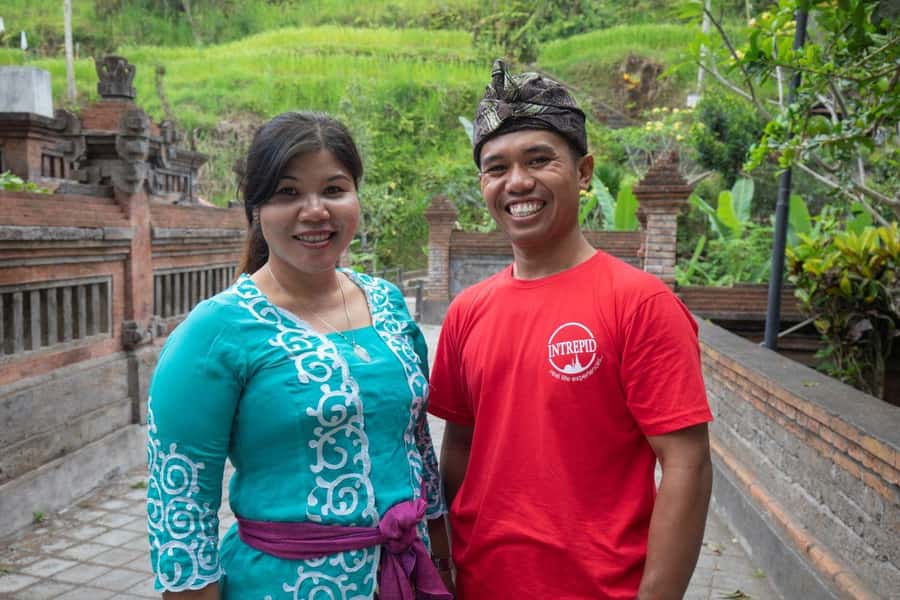
One small detail I appreciate: you receive a gift tied to local tradition—an udeng for men or a sash for women during the tour. It’s the kind of touch that doesn’t feel staged, especially because you’ve already spent time learning about community practices around farming and water.
This is also a good moment to ask questions you didn’t have time for on the trail. If you’re curious about how farmers schedule tasks or how the fields are managed, guides often have quick, practical answers after you sit down.
Price and Carbon-Neutral Value: What $39 Actually Buys You
At $39 per person, this is priced like a focused guided experience rather than a long tour day. The value comes from what’s included:
- Local English-speaking guide
- Mineral water
- Coconut water or coffee
- Light snacks
- A rice field donation
- The udeng or sash gift
When you break it down, you’re not only paying for walking time. You’re paying for structured explanation of subak, a temple visit that’s not designed for mass tourism, and guided interpretation of wildlife and field life. That’s harder to replicate on your own unless you already have a local connection or you’re comfortable searching out the right sites.
There’s also an explicit sustainability element. The tour is carbon neutral and is organized and led by a B Corp certified company committed to using travel as a force for good. You may not be able to feel that in the moment, but it matters if you care about choosing operators that treat sustainability as part of how they run tours—not just a slogan.
Shared tours usually help keep costs reasonable; private tours can be a good fit if you want more flexibility with questions and pacing.



Photos, Views, and the One Thing You Should Adjust Your Expectations For
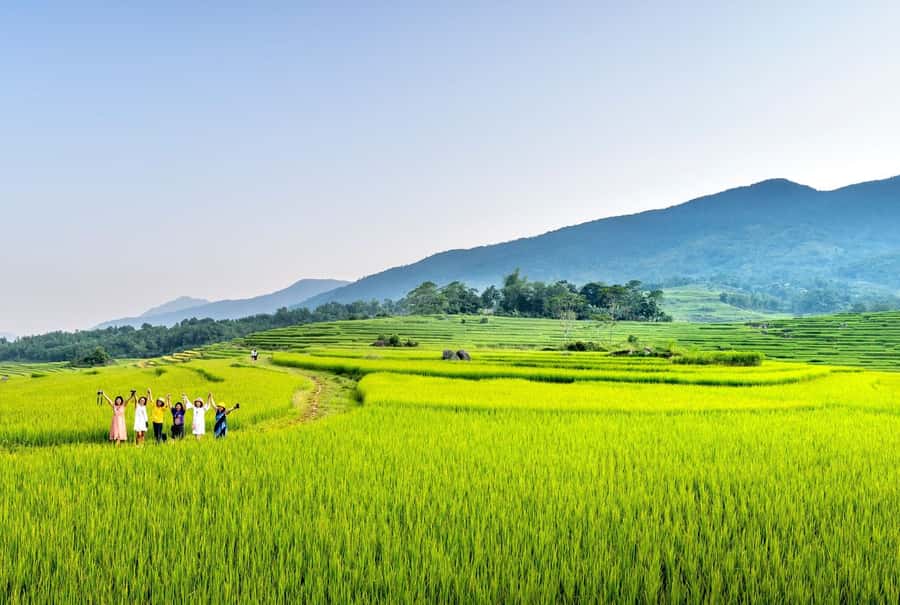
This is where I’ll be straight with you. If you’re chasing wide-open mountain vistas and clean, skyline-style backgrounds, don’t build your plan around that. One experience you might want to factor in: parts of the sightlines can include houses around the terraces, and you may not always see dramatic mountains.
That doesn’t mean it’s not beautiful. It just means the tour is more about understanding and walking through working farmland than about getting the perfect backdrop for a social-media panorama. If you can accept that, you’ll get more out of the day because you’ll pay attention to what’s actually happening in the field.
I’d also suggest thinking of your best photos as “textures and details,” not only “big views.” Terrace edges, water channels, bridge crossings, and close ecosystem moments usually look great because they match what you’re learning.
Who This Tour Is For (and Who Should Skip It)
This tour is ideal if you want:
- A guided explanation of subak that you can actually picture
- A short hike that’s active but not a full-day ordeal
- Culture tied to farming—especially the subak temple stop
- Wildlife and biodiversity information you can connect to what you see
It’s also a solid choice if you like guides who teach in a friendly, practical way. The guide experiences from the field have been a big part of what people rate highly, including the welcoming style and strong explanations associated with Lena.
You may want to skip it if:
- Your main goal is panoramic mountain photography
- You’re not comfortable with careful stepping across terrace edges and bamboo bridges
- You’re traveling with very young children (it’s not suitable for kids under 6)
If you’re someone who walks slowly, listens closely, and likes to learn how everyday systems work, you’ll feel at home here.
Should You Book This Bali Rice Terrace Guided Hike?
I’d book it if you’re going to Bali specifically for the real stuff—water systems, farming culture, and why these terraces look the way they do. The reason is simple: this tour teaches you how the fields function, then walks you through the evidence.
It’s also a good value for $39 because you get guide time, drinks, light snacks, a donation, and a traditional gift, plus the temple visit that helps separate it from generic terrace wandering. And the sustainability angle is part of the package, not an afterthought.
The only reason I’d hesitate is if your trip’s photo goal is all about distant mountains and totally untouched scenery. If that’s you, you can still enjoy the walk, but adjust your expectations toward agriculture details instead of postcard backgrounds.
FAQ
How long is the Bali rice terraces guided hiking experience?
The tour lasts about 3 hours.
Where does the tour start and end?
It starts at Starbucks Kerobokan and ends back at the same meeting point.
Is it a shared tour or private tour?
You can choose a shared tour with other travelers or a private tour for just your group.
What is included in the $39 price?
Included are a local English-speaking guide, mineral water, coconut water or coffee, light snacks, an udeng (for men) or sash (for women), and a rice field donation.
What should I bring for the hike?
Bring comfortable shoes and comfortable clothes.
Is the tour suitable for children?
No. It is not suitable for children under 6 years.
Is the tour carbon neutral?
Yes. The tour is carbon neutral and organized and led by an eco-certified, B Corp certified company.
More Tour Reviews in Denpasar
- From Bali: Nusa Penida Private Snorkeling Tour with Lunch★ 4.9 · 2,067 reviews
- Canggu: Surfing Lesson with ISA Instructor★ 4.9 · 232 reviews
- Bali: Bites Food Tour with over 15 Tastings★ 4.8 · 136 reviews
- Sanur Village E-bike Tour: Family-Friendly Adventure★ 4.6 · 85 reviews
- Bali: Tarot, Oracle Reading, and Cleansing Tirta Empul Trip★ 4.7 · 72 reviews
- Bali: Delicious Indonesian Food Tour★ 4.4 · 56 reviews
Keep exploring Seminyak and the rest of Bali


Hiking & Trekking, compared.
 ★ 5.0Small Group Mount Batur Sunrise HikeFrom $39308 reviews
Mount Batur Sunset TrekkingFrom $39291 reviews
Mount Batur Sunrise Trekking – All InclusiveFrom $24153 reviews
★ 5.0Small Group Mount Batur Sunrise HikeFrom $39308 reviews
Mount Batur Sunset TrekkingFrom $39291 reviews
Mount Batur Sunrise Trekking – All InclusiveFrom $24153 reviews
 ★ 5.0Private Mount Batur Sunrise TrekkingFrom $35132 reviews
 ★ 5.0Mount Batur Sunrise Trek & Natural Hot Spring ExperienceFrom $7995 reviews
Mount Batur Sunrise Jeep With Optional Trekking To SummitFrom $4392 reviews
★ 5.0Mount Batur Sunrise Trek & Natural Hot Spring ExperienceFrom $7995 reviews
Mount Batur Sunrise Jeep With Optional Trekking To SummitFrom $4392 reviews
 ★ 5.0Mount Batur Sunrise Trekking With AKASA Kintamani CafeFrom $4883 reviews
Browse the lists this tour appears in