
REVIEW · TICKETS
Bali Reptile Park 1-Day Admission Ticket
Reptiles in Bali feel closer than you expect. Bali Reptile Park turns a simple ticket into a guided walk through lizards, snakes, turtles, and hands-on handling, all set in tidy tropical grounds with lots of photo angles.
What I like most is the English live zoo guide. The explanations aren’t just facts on plaques; they’re tied to what you’re seeing right now. I also really enjoy the safe feeding and supervised handling, because it makes the experience interactive without turning it into a risky circus.
One thing to keep in mind: this is mostly an outdoor experience. If the weather is hot or rainy, you’ll want to plan your pace and wear gear that can handle sun and sudden showers.
In This Review
- Key Highlights You’ll Feel During the Visit
- Why Bali Reptile Park Works for a Quick Stop in Gianyar
- Getting There, Timing, and What to Plan Around
- Lizard Walkthrough: From Geckos to Komodo Dragons
- Snake Viewing: Safe Close-Up Areas and Clear Rules
- Turtle and Tortoise Section: A Calmer Pace for Great Photos
- Reptile Shows and Feeding Sessions That Make the Day Move
- Hands-On Reptile Handling: Close-Up Photos, With Supervision
- English Zoo Guide Time: What You Learn Beyond the Signs
- Reptile Nursery and Conservation Lessons You Can Actually Use
- Facilities, Photo Stops, and Comfort Notes for a Smooth Day
- Price and Value: Is $15 a Good Deal Here?
- Who Should Book Bali Reptile Park
- Should You Book Bali Reptile Park?
- FAQ
- What time is Bali Reptile Park open?
- How long should I plan for the visit?
- Where is the meeting point?
- What language is the live tour guide?
- Is the park wheelchair accessible?
- What should I bring?
- Is hotel transfer included?
- What items are not allowed during the visit?
Key Highlights You’ll Feel During the Visit
- English live guide that keeps you moving and makes the animal signs make sense
- Feeding sessions and reptile shows that add energy to the walk-through
- Supervised reptile handling for hands-on photos with staff watching closely
- Naturalistic exhibits that mimic habitats more than simple cage rows
- Educational conservation messaging tied to behavior and diet
- A 2–3 hour typical stay that fits neatly into a Bali day
Why Bali Reptile Park Works for a Quick Stop in Gianyar
If you’ve only got a few hours in Bali and you want something fun that’s still meaningful, this park is a smart pick. You’re not just looking at animals; you’re learning how they behave and why they matter.
The setting helps, too. The grounds are landscaped with walkable paths, so you’re not constantly stuck in one spot. You can take photos as you move between areas, from the enclosures to the calmer turtle-and-tortoise zones.
At $15 per person for a 1-day ticket, the value comes from what’s included: the entry, the reptile shows, and the guided components. This is the kind of activity where having a guide changes the whole feel, because otherwise you’re reading signs alone.
A few more things to do around Bali worth comparing
- Bali Reptile Park 1-Day Admission Ticket
★ 5.0 · 20 reviews - Nusa Dua: Museum Pasifika Admission Ticket with Audio Guide
★ 4.3 · 4 reviews
Getting There, Timing, and What to Plan Around
The park’s address is Bali Reptile Park, Batubulan, Sukawati, Gianyar Regency, Bali 80582, with the general entry at the park site. You can park onsite for free, which makes it easier if you’re using a car or scooter taxi on your own.
Opening hours are 9:00 AM to 5:00 PM, and a typical visit runs about 2–3 hours. You can stay longer if you want extra time with the animals or want slower photo stops, but I’d treat 2–3 hours as your baseline.
Bring comfortable shoes and comfortable clothes, since a lot of walking is involved. Also note the park’s rules about what not to bring: no flashlight, and no alcohol or drugs (and alcohol is not allowed in the vehicle). If you’re planning to wear flip-flops, I’d swap them for something that grips well.
The ticket is valid for one day, and you’ll show your e-ticket at the entrance. Tickets are non-refundable, so I’d only commit once you’re confident about that day.
Lizard Walkthrough: From Geckos to Komodo Dragons
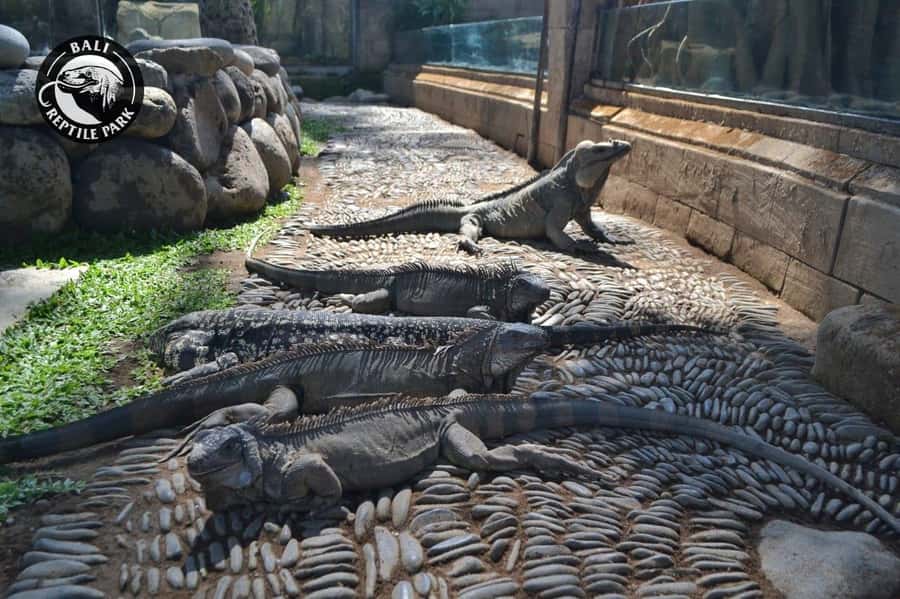
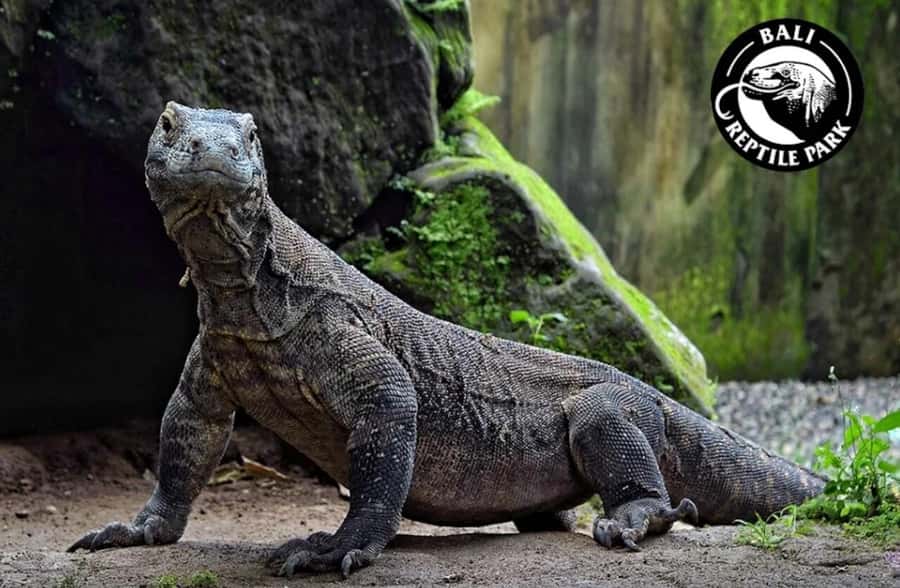
The first area sets the tone: a guided route through lizards and other reptile groups with enclosures designed to feel more natural than purely display cases. Expect to see everything from small lizards like geckos to larger, heavier names on the park’s roster.
This is where a guide adds real value. You’ll hear explanations that match what you’re looking at, instead of generic animal chatter. When you understand how a lizard hunts, rests, or responds to light and movement, the behavior becomes easier to spot in real time.
One practical tip: take your time at the early stops. If you move too fast at the start, later areas like feeding and handling can feel rushed. I’d plan to arrive with enough energy to watch closely, because the park’s best moments come from small behavior cues.
The enclosures include informative plaques, too, so even if you drift slightly off pace, you can still catch the main points. And yes, the park grounds are photogenic here—paths curve in a way that makes it easy to get angles without blocking other visitors.
Snake Viewing: Safe Close-Up Areas and Clear Rules
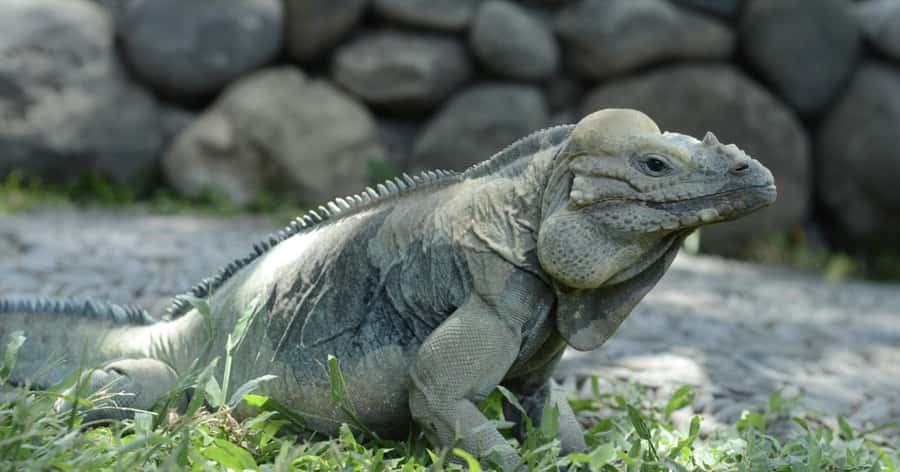
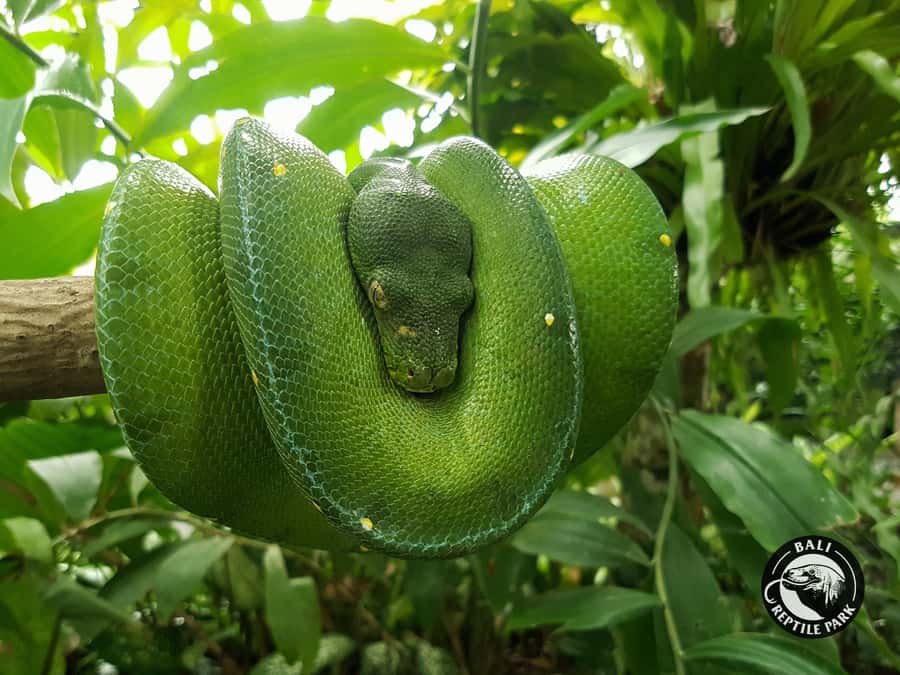
Snakes can be intimidating, but this park handles them in a way that’s meant to keep things controlled. You’ll walk through display areas for snakes such as pythons and cobras, with safe yet close-up viewing positions.
The key thing is the staff supervision and the structure around interaction. You won’t be doing unsupervised contact here. Instead, you’re shown how to watch without trying to force a reaction from an animal that needs calm conditions.
When you look at snakes long enough, you start noticing patterns: where they rest, how they position their bodies, and what triggers movement. That’s where the educational side clicks. The park includes information about diet and behavior, and it helps you understand why snakes act the way they do in captivity settings.
If snakes are your main interest, plan to give these areas the most time after the first lizard section. People tend to move quickly through snake zones because they’re unsure what to look for, but a guide can point out what matters.
Turtle and Tortoise Section: A Calmer Pace for Great Photos
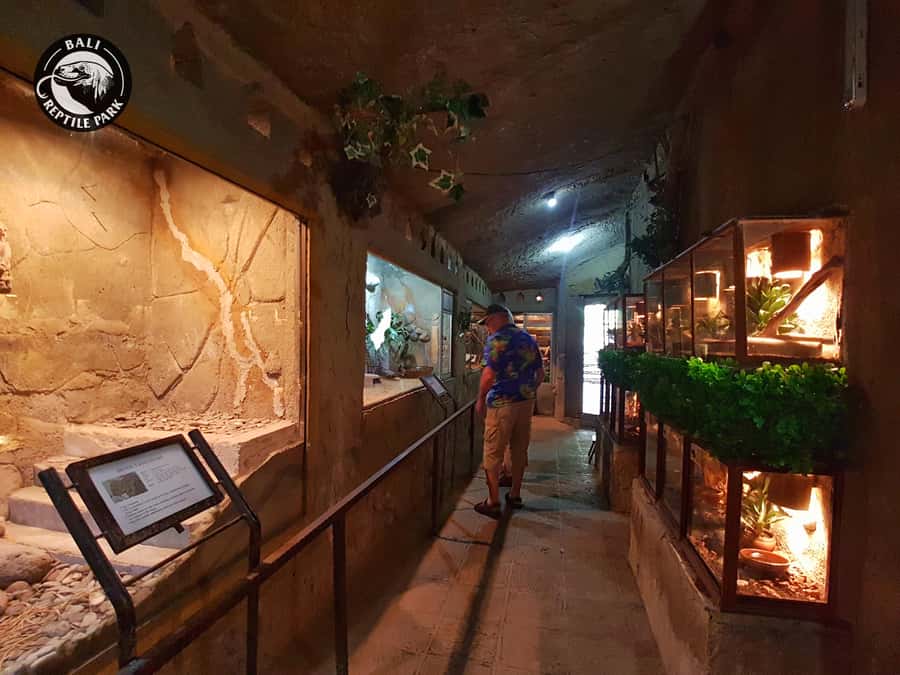
After the sharper attention snakes demand, the turtle and tortoise area shifts the mood. This section includes gentle reptiles in ponds and grassy enclosures, so the atmosphere feels slower and more relaxed.
It’s a nice break if you’re traveling with anyone who doesn’t love the more intense snake-and-handling moments. Turtles and tortoises are also a good chance to practice patient viewing—watch how they move, bask, and respond to the environment.
For photography, this is one of your easiest areas. The background is visually soft—water, grass, and shaded spots—so your photos look natural even if you’re not using fancy camera gear. Just keep your timing respectful around any staff-directed moments.
If you like learning through contrast, this section helps. You see how different reptile groups need different spaces and routines, and the park’s layout makes that difference feel obvious.
Reptile Shows and Feeding Sessions That Make the Day Move
The ticket includes all reptile shows, plus feeding sessions and guided explanations during the route. That matters because it turns a 2–3 hour park visit into a sequence of moments, not just a long loop of enclosures.
Feeding shows tend to be the spot where many people finally understand how a reptile’s anatomy connects to its behavior. When you watch food being offered (and the timing of the animal’s response), you learn faster than you do from text alone.
This is also where the guide’s personality shows up. In one case, I found that a friendly guide made a big difference for the pace and the fun factor, especially when he explained facts in a way that felt light rather than lecture-y.
If you’re unsure where to stand or when to move, just follow staff directions. They’re keeping everyone safe and keeping the animal stress as low as possible. It’s one of those “small rule, big payoff” moments.
A few more things to do around Bali worth comparing
Hands-On Reptile Handling: Close-Up Photos, With Supervision
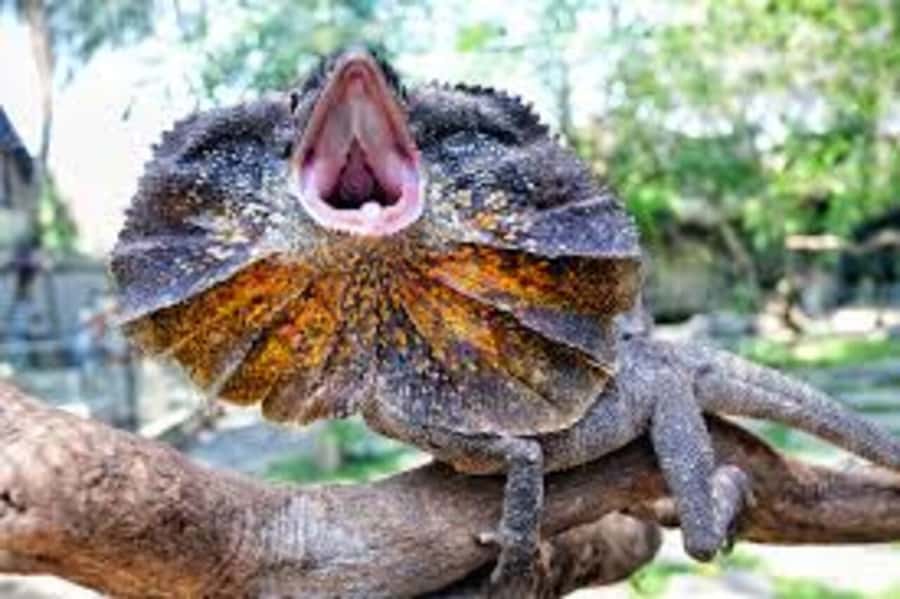
Hands-on reptile handling is one of the biggest draws here, and it’s also the part where safety rules matter most. You can safely touch and hold some of the park’s friendlier residents under expert supervision.
This section is worth it if you want more than photos from behind glass. When you hold a reptile properly and you’re guided on how to keep movement slow, the experience becomes surprisingly calm. You learn quickly that the animal isn’t a prop—it’s a living creature reacting to handling conditions.
Staff supervision is the reason this can work as a hands-on activity at all. You’ll get instructions before you interact, and you’ll be managed through the process.
A standout detail from the visit experiences: guides can be very accommodating with practical needs. One example included a guide allowing luggage storage at the park on a last day in Bali, which made it easier to handle the day without worrying about bags in the middle of activities.
If you care about photos, ask staff about the best timing while you’re holding. They know when the animal is most settled and when it’s safer to end the session and move on.
English Zoo Guide Time: What You Learn Beyond the Signs
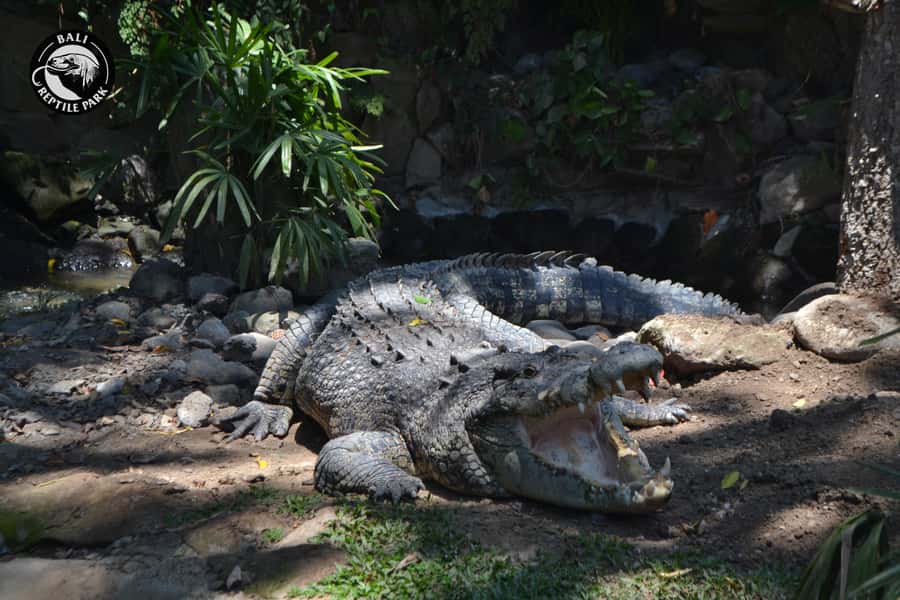
The park includes a zoo guide as part of the experience, and the guide work is live and in English. That’s a huge deal in a place where animal plaques can be interesting but still feel limited if you’re not sure what to look for.
One guide name that comes up is Dharma. People describe him as friendly and fun, sharing interesting facts about each animal and making the explanations feel like part of the day rather than something separate. That kind of guide energy helps you remember what you saw instead of walking away with a blur of species names.
I like the way the guide format changes your brain. Instead of trying to memorize, you start observing. You look for behavior cues, body posture, and reactions to light or movement. Those details make the educational part stick.
Even if you don’t consider yourself a reptile person, the guide’s job is to make the animals understandable. And conservation education fits naturally here, because you’ll learn about behavior and diet in a way that explains why protecting species matters.
Reptile Nursery and Conservation Lessons You Can Actually Use
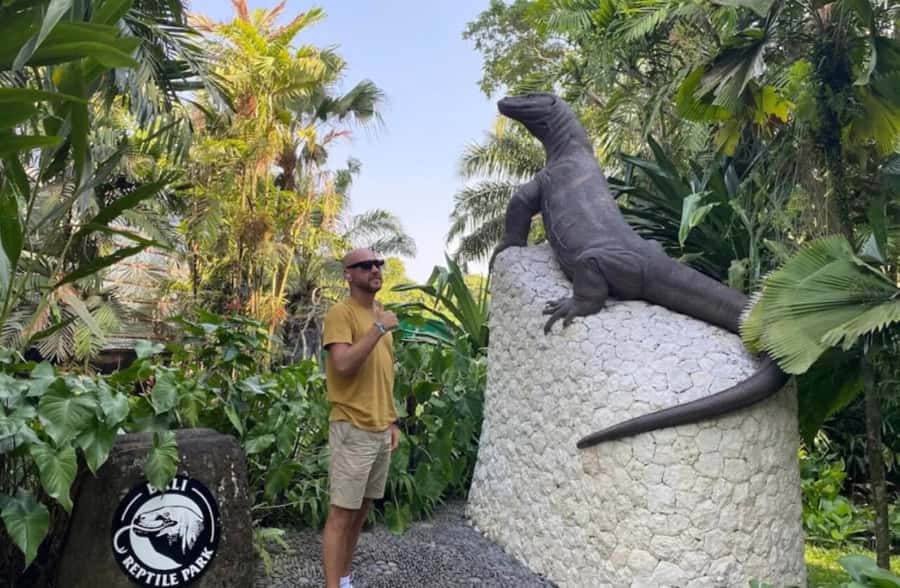
The reptile nursery is another highlight, offering a view into the early stages of life. Seeing young reptiles shifts your understanding quickly. Behavior that looks simple in adult animals often makes more sense when you think about growth stages and survival needs.
The park’s educational messages connect reptile behavior and conservation status, too. You’ll see explanations related to diet and how reptiles live in their environments, which gives conservation talk more weight. It’s not abstract. It’s tied to what these animals need.
This part is also a good reminder that reptiles aren’t all the same. Different groups—lizards, snakes, turtles—have different survival strategies. Once you notice that, the park experience becomes more than a photo hunt.
If conservation is a motivator for you, stick around for the nursery and any guide-led explanation in that area. It’s the kind of stop that can change how you view reptiles long after your trip ends.
Facilities, Photo Stops, and Comfort Notes for a Smooth Day
You’ll find restrooms on site, plus a gift shop and a café for refreshments. That’s useful because a reptile park day can involve warm walking times, and you’ll want a place to reset without leaving the grounds.
For comfort, wear shoes you can walk in for a couple of hours. Even with smooth pathways, there’s enough ground coverage that supportive footwear helps your feet stay happy.
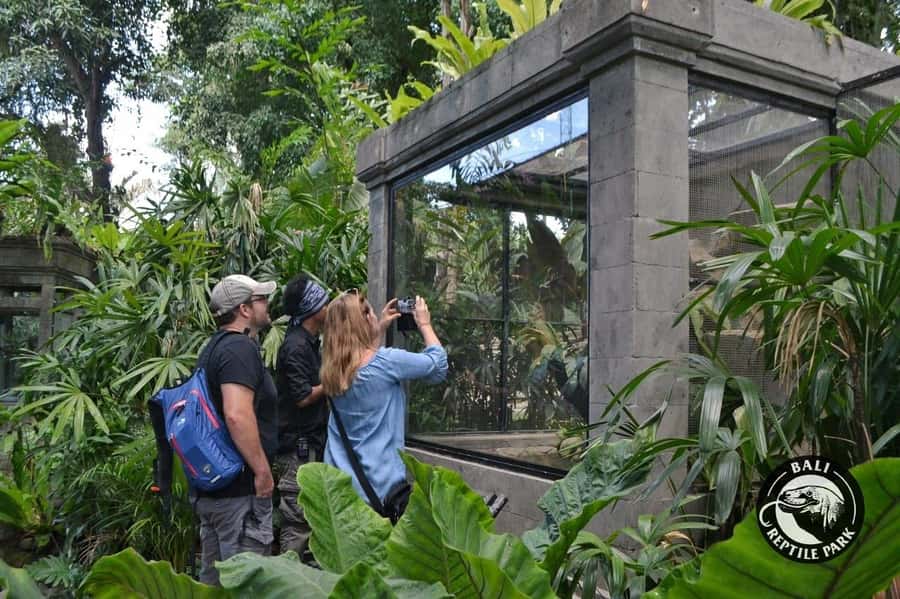
Photo opportunities are frequent throughout the park, helped by the curated pathways and outdoor setup. If you want the best shots, move slowly and don’t block staff or other visitors during any supervised feeding or handling.
If rain pops up, the practical move is to keep a light layer handy and accept that you might need shorter stops between enclosures. Since most of the visit is outdoor, weather affects the pace.
Price and Value: Is $15 a Good Deal Here?
At $15 per person for a 1-day ticket, the price feels fair because the inclusions are doing the heavy lifting. You’re not paying only for entry. You’re also getting reptile shows, a zoo guide, and animal encounter/interaction experiences, plus government tax and service charges.
What you’re really buying is time with structure. Without the guide and scheduled show moments, the visit could turn into a self-paced stroll that’s harder to enjoy if English signs don’t explain everything you’re curious about.
The included handling and feeding components also push the value higher. Hands-on time under supervision is usually the difference between a “nice” stop and a “worth it” memory.
The only notable non-included item is hotel transfer. If you’re staying far from Gianyar, you’ll want your own ride plan. But once you’re at the park, the day itself includes enough activities to keep you busy without extra ticket add-ons.
Who Should Book Bali Reptile Park
This fits best if you want an easy, structured wildlife day that teaches as it entertains. It’s also a good match if you’re traveling with someone who likes hands-on moments but still wants safety handled by trained staff.
It’s not ideal for everyone. The park notes it’s not suitable for people over 95 years. And because it’s mostly outdoors, you’ll want to consider weather and your comfort with walking.
Wheelchair accessibility is supported, with smooth pathways and ramps. If you’re using a mobility aid, this is one of the better wildlife stops in Bali because it’s designed around accessible movement rather than only viewing from fixed spots.
If you’re a family group, the turtles and handling moments can be memorable. If you’re a solo traveler, the guide helps you feel less lost and keeps the experience lively.
Should You Book Bali Reptile Park?
Book it if you want a guided reptile day that mixes explanations, shows, and supervised interaction. The best reason is the combination: English guide + included shows + safe handling. That trio turns an animal park into something you can actually follow and learn from.
Skip it if you hate outdoor walking or if you’re only interested in seeing animals with no guide-led structure. Also, if you’re sensitive to snakes or handling situations, plan your pace and focus on the lizard and turtle sections.
FAQ
What time is Bali Reptile Park open?
The park is open daily from 9:00 AM to 5:00 PM.
How long should I plan for the visit?
A typical visit lasts around 2–3 hours, and you can stay longer if you like.
Where is the meeting point?
The meeting point is Bali Reptile Park, Batubulan, Sukawati, Gianyar Regency, Bali 80582.
What language is the live tour guide?
The live tour guide provides English.
Is the park wheelchair accessible?
Yes, the park is wheelchair accessible, with smooth pathways and ramps.
What should I bring?
Wear comfortable shoes and comfortable clothes.
Is hotel transfer included?
No, hotel transfer is not included.
What items are not allowed during the visit?
Alcohol and drugs are not allowed, and the rules also mention no flashlight and no fireworks. Alcoholic drinks in the vehicle are also not allowed.
More 1-Day Tours in Denpasar
- Bali: Ubud Waterfall, Village and Pool Club Day Trip★ 4.7 · 45 reviews
More Tickets in Denpasar
- Bali: Upside Down World Admission Ticket★ 3.6 · 23 reviews
- Nusa Dua: Museum Pasifika Admission Ticket with Audio Guide★ 4.3 · 4 reviews
More Tour Reviews in Denpasar
- From Bali: Nusa Penida Private Snorkeling Tour with Lunch★ 4.9 · 2,067 reviews
- Canggu: Surfing Lesson with ISA Instructor★ 4.9 · 232 reviews
- Bali: Bites Food Tour with over 15 Tastings★ 4.8 · 136 reviews
- Sanur Village E-bike Tour: Family-Friendly Adventure★ 4.6 · 85 reviews
- Bali: Tarot, Oracle Reading, and Cleansing Tirta Empul Trip★ 4.7 · 72 reviews
- Bali: Delicious Indonesian Food Tour★ 4.4 · 56 reviews
Keep exploring Seminyak and the rest of Bali





Tickets, compared.
 ★ 4.7Bali’s Secret Comedy Night Entry TicketFrom $15304 reviews
 ★ 4.5All Inclusive Kecak Dance and Uluwatu Temple Admission TicketFrom $38127 reviews
 ★ 4.5Trans Studio Bali Admission TicketFrom $38114 reviews
 ★ 5.0Mt. Batur : All-Inclusive Sunrise Trekking & Swing TicketFrom $2325 reviews
 ★ 4.5Lempuyang Temple Entrance Ticket All InclusiveFrom $4925 reviews
 ★ 3.6Upside Down World Admission TicketFrom $623 reviews
 ★ 4.5Green Bali Rafting Ticket And TransferFrom $2322 reviews
 ★ 4.5Bali Blue Lagoon Snorkeling Ticket And TransferFrom $3416 reviews