
REVIEW · TICKETS
Nusa Dua: Museum Pasifika Admission Ticket with Audio Guide
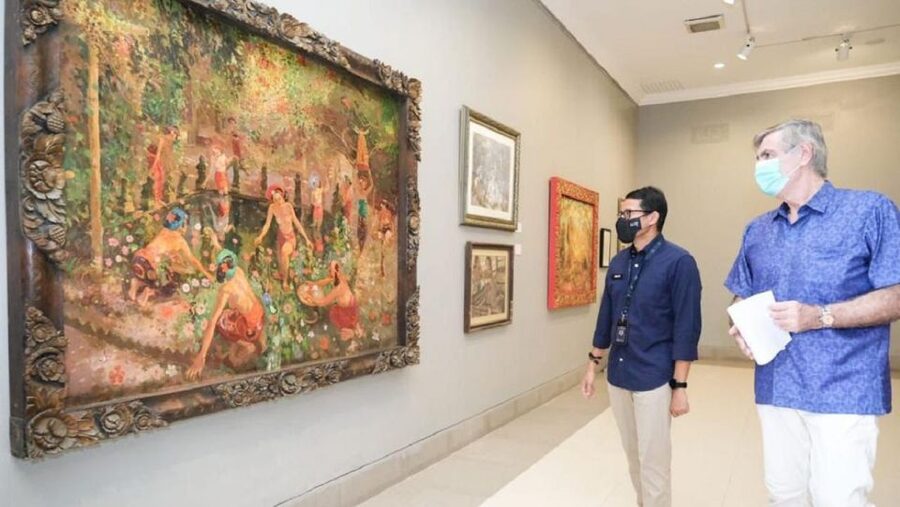
One quiet hour can turn into a whole art mood. Museum Pasifika in Nusa Dua is a relaxed, gallery-style walk through paintings and sculpture across the Asia Pacific, with an audio guide that actually helps you see more.
I especially liked the calm pace of the galleries and the chance to study the details without feeling rushed.
I also enjoyed how the collection connects different worlds: Indonesian masters like Raden Saleh and Affandi, plus Indo-European artists who were inspired by Indonesia and Bali. The audio guide makes those relationships easier to follow than just wandering room-to-room.
One thing to consider: the museum can feel humid, and some artworks appear not fully protected. If you get heat-sensitive, plan for slower viewing and take breaks when you need them.
In This Review
- Key things to know before you go
- Museum Pasifika in Nusa Dua: a calm art break with a real audio guide
- Price and value: why $7 can feel surprisingly good
- How your 1-day visit flows (and how to use it well)
- The Asia-Pacific painting rooms: where you’ll want to slow down
- Indonesian masters and local schools
- Indo-European artists and the Bali connection
- Hanoi “Beaux-Arts” student works
- Oceania’s sculpture collections: Michoutouchkine and Pilioko
- Western artists in the Asia context: Gauguin and others
- Gallery comfort and the practical rules you must follow
- Humidity and comfort
- Don’t plan on flash or tripods
- Quiet pace
- Included refreshment: tiny perks that help you enjoy the whole loop
- Is Museum Pasifika worth it for you?
- Should you book Museum Pasifika in Nusa Dua?
- FAQ
- How much is the Museum Pasifika admission ticket?
- How long should I plan for my visit?
- Is the audio guide included, and what languages are available?
- What refreshment is included with the ticket?
- What items are not allowed inside the museum?
- Can children enter for free?
Key things to know before you go
- Audio guide support: English and Indonesian options help you make sense of what you’re looking at
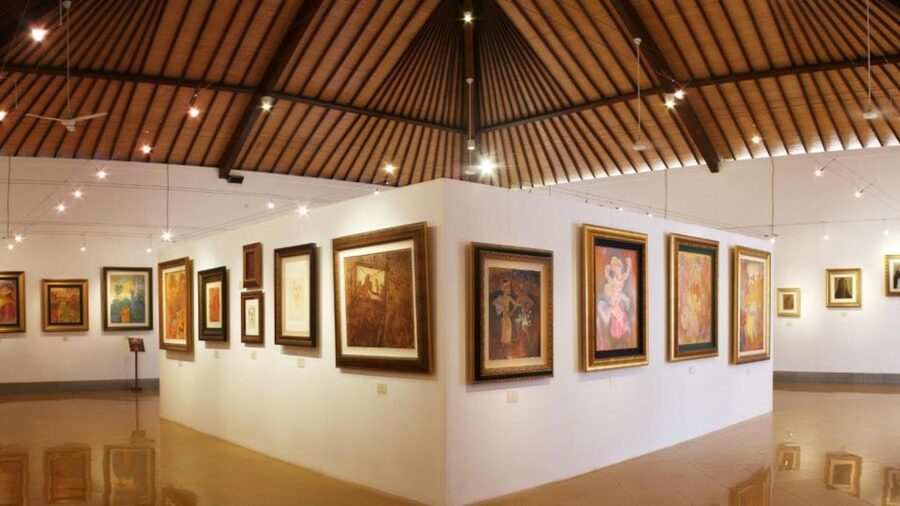
- 600+ artworks: Plan on a full loop across historic and contemporary paintings and sculpture
- Pacific Ocean sculptures: The Michoutouchkine and Pilioko Oceania collection is a major highlight
- Indonesian masters plus Indo-Europe: You’ll see artists like Lempad, Hendra, Kobot, and Walter Spies-era influences
- Rules that shape your visit: No flash photography, no tripods, and no sharp objects or weapons
- Small comforts included: Refreshment, cold towel, and tea/coffee or infused water
Museum Pasifika in Nusa Dua: a calm art break with a real audio guide
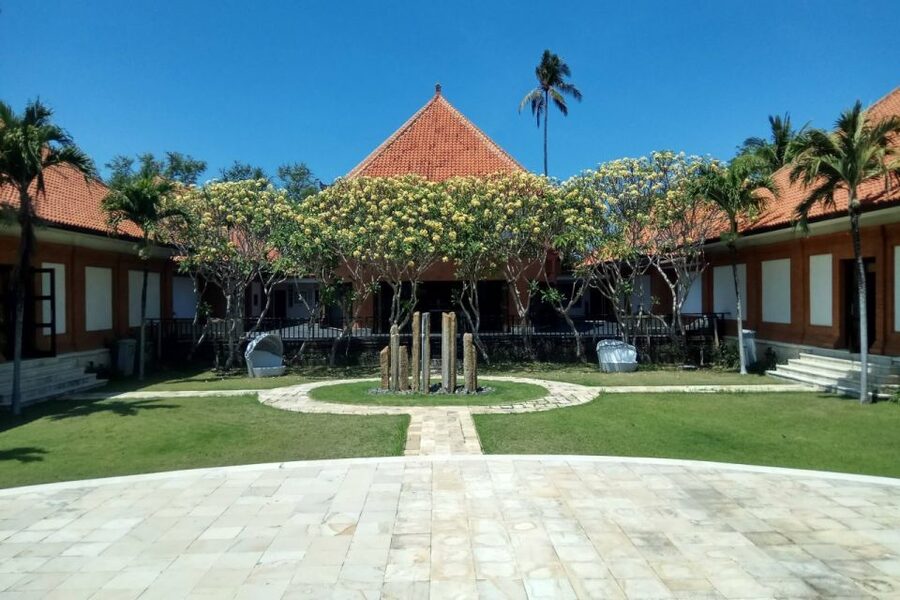
If Bali feels like constant motion outside, Museum Pasifika gives you a slower rhythm on purpose. The setting is relaxed rather than flashy. You walk through rooms where the art does the talking, and you can stop when something pulls your attention.
What makes it work is the audio guide. Instead of treating it like a ticket perk, it’s built into how you should experience the museum. You’ll get context as you move, which is a big help in a collection this wide—600+ artworks by 200 top international artists, covering both historic and contemporary works.
And because the visit is self-paced (your ticket is valid for a day), you can match your style: quick scan, or slow study. The whole thing is designed for a one-day visit, not a marathon.
A few more things to do around Bali worth comparing
- Bali Reptile Park 1-Day Admission Ticket
★ 5.0 · 20 reviews - Nusa Dua: Museum Pasifika Admission Ticket with Audio Guide
★ 4.3 · 4 reviews
Price and value: why $7 can feel surprisingly good
At about $7 per person, the value isn’t just the price tag—it’s what you get for that money. You’re not only buying entry. Your ticket includes an audio guide, plus refreshment, a cold towel, and tea, coffee, or infused water.
That matters in Bali’s heat. Those small included extras help you stay comfortable long enough to actually enjoy the galleries. A lot of art museums charge you extra for basic comforts or audio content. Here, the essentials are bundled, so you spend your time looking at art, not shopping around for what you forgot.
Is it a perfect day-trip museum? Not always. One practical downside shows up for some visitors: without strong air circulation, humidity can affect comfort and even how well certain works are displayed. If you’re sensitive to heat, plan your viewing schedule accordingly. But if you like art and you can move at an easy pace, the value looks strong.
How your 1-day visit flows (and how to use it well)
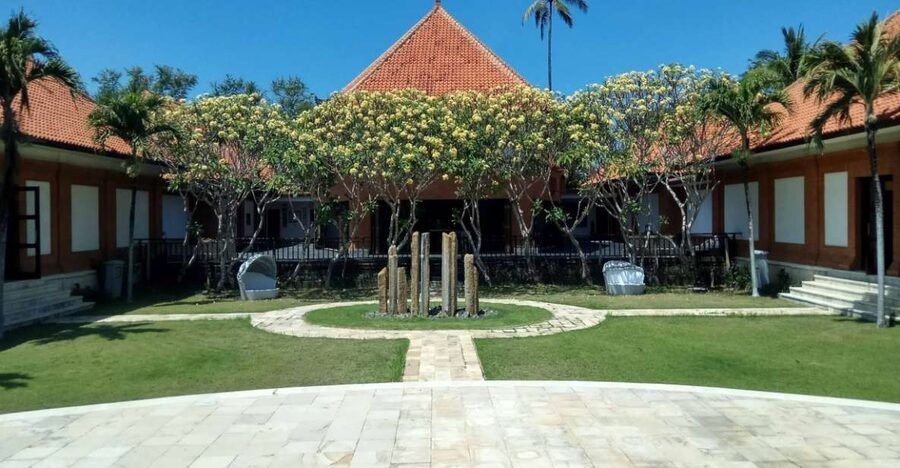
This museum is a “pick your route” kind of place. You start at the reception area, show your ticket, and then go get your bearings with the audio guide.
From there, your best approach is simple:
- Start with the rooms that match your curiosity (Indonesian masters, Indo-European influences, or the Oceania sculpture collection).
- Use the audio guide for the pieces that feel most confusing at first glance.
- Leave time at the end for any works you keep thinking about while you’re walking.
The museum layout is made for wandering, but you’ll get more out of it if you don’t treat it like a checklist. The collection spans many countries and eras, so letting the audio guide connect the dots helps you build a sense of how these artists influenced each other.
Also, you’re allowed to enjoy the museum at your own speed. The “valid for 1 day” rule is useful because you can time your visit to when you’ll feel freshest.
The Asia-Pacific painting rooms: where you’ll want to slow down
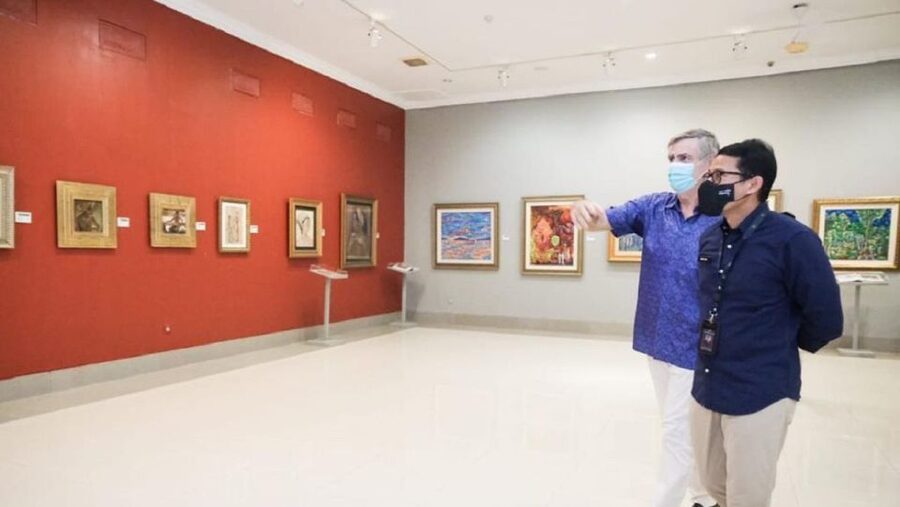
A big part of Museum Pasifika’s appeal is how it groups painting and sculpture across the Asia Pacific. You’ll see works by Indonesian artists and international artists who were inspired by the region.
Indonesian masters and local schools
If you like art with a strong regional identity, don’t skip the Indonesian masters. Names you’ll recognize or want to learn include:
- Raden Saleh
- Lempad
- Affandi
- Hendra
- Kobot
You also get a bigger picture of Indonesian art beyond just a few famous names. The collection includes over 50 Indonesian artists, showing different styles and generations rather than one single “type” of artwork.
Indo-European artists and the Bali connection
Another part of the experience that feels personal—especially if you’ve been spending time in Bali—is the wing devoted to Indo-European artists inspired by Asia, with a focus on Indonesia and Bali.
You’ll encounter the kind of cross-cultural artistic dialogue that’s hard to appreciate from a generic description. Names linked to this area include:
- Walter Spies
- Miguel Covarrubias
- Jean Le Mayeur
- Charles Sayers
With the audio guide on, you’ll get more clarity on why these artists were drawn to the region and how that shows up in their work.




Hanoi “Beaux-Arts” student works
The museum also houses works by Indonesian students connected to the Beaux-Arts School of Hanoi—recognized in contemporary international exhibitions and publications. Even if you don’t know anything about this school before you arrive, the audio guide helps you understand the significance without turning your visit into homework.
Oceania’s sculpture collections: Michoutouchkine and Pilioko
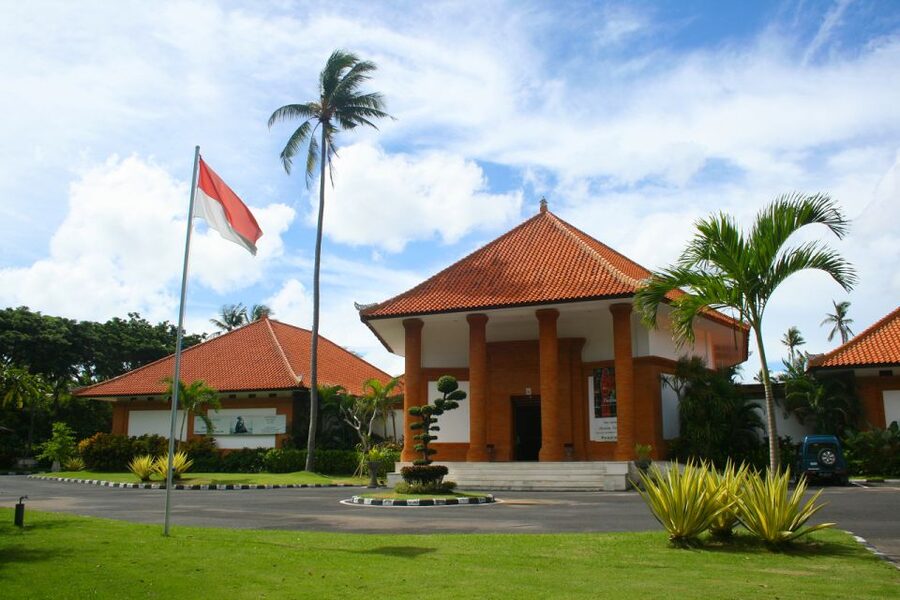
If you only had time for one major section, I’d prioritize the Oceania sculpture display. This is where the museum really stretches into something special.
The Michoutouchkine and Pilioko collection is made up of around 200 sculptures from 10 different Pacific nations. These works were collected over about 50 years by the two artists, and that long-term collecting is part of why the collection feels complete compared to smaller museum displays.
As you walk through it, you’ll notice the “Pacific Ocean” theme isn’t a vague label. It’s a structured view of regional artistry, with different styles and forms that are easier to compare when you’re in the same gallery spaces.
Also, the sheer scale matters. This is not a quick stop. Give it time. If you rush, you’ll miss the relationships between pieces.
Western artists in the Asia context: Gauguin and others
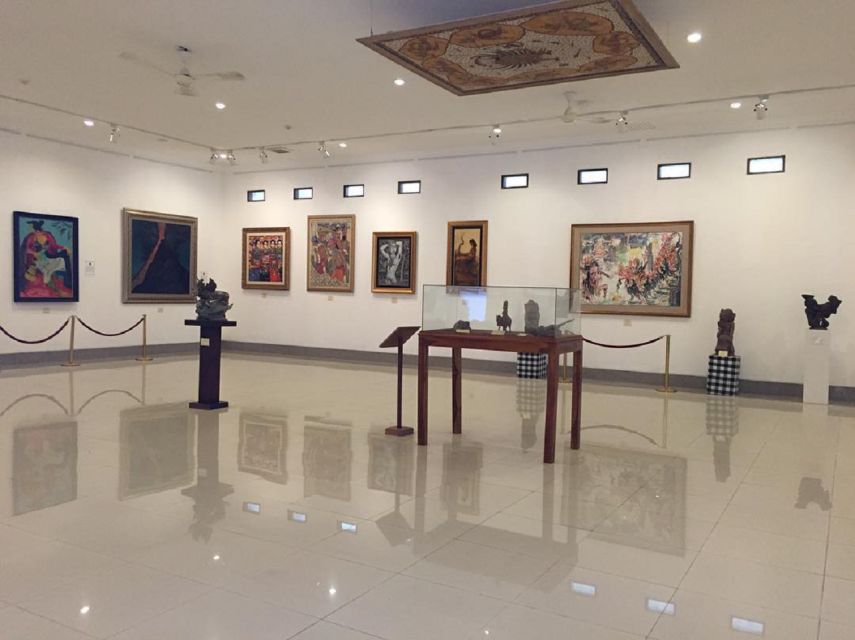
Another highlight for many people is the section that brings in Western artists—especially those who spent time in Asia and absorbed local influences.
One standout name is Paul Gauguin, including works related to his Tahiti period. You’ll also see pieces by:
- Henri Rousseau
- Henri Matisse
- Auguste Rodin
- Marvina Hoffmann
- Bernard Buffet
The value here is not just celebrity names. It’s the way those artists’ time in Asia is reflected in their art. With the audio guide, you can connect the “why” to the “what.” It turns a wall of images into a story about travel, observation, and artistic exchange.
If you enjoy the challenge of interpretation, this section gives you plenty to think about.
Gallery comfort and the practical rules you must follow
This is where planning pays off.
Humidity and comfort
Some visitors find the museum less comfortable when the environment feels humid. Doors left open and limited cooling can make the galleries feel warmer than you’d expect from a museum. If you run cold easily, bring a layer anyway. If you run hot, plan breaks around the included drinks and cold towel.
Don’t plan on flash or tripods
The museum has clear rules:
- No flash photography
- No tripods
- No weapons or sharp objects
If you’re photographing for a blog or just want decent pictures, keep in mind that lighting may not cooperate the way you expect for indoor photos. Rely more on your eyes and the audio guide than on trying to capture everything perfectly.
Quiet pace
One of the nicer aspects is that it doesn’t feel like a chaotic stop. The overall experience can be quiet, which is ideal when you want to focus on art rather than people-watching.
Included refreshment: tiny perks that help you enjoy the whole loop
It sounds small, but in practice the included comforts make the visit easier to finish well.
You get:
- Refreshment
- Cold towel
- Drinks: tea, coffee, or infused water
That’s a smart setup for a day where you’re walking through multiple rooms. You won’t want to lose your momentum halfway. A cold towel and a drink can buy you energy so you can keep enjoying the galleries instead of pushing through discomfort.
There’s also a café on site, plus free Wi-Fi and a large parking area. So if you want to do a quick check-in online between sections, you have a place to reset.
Is Museum Pasifika worth it for you?
Here’s who this works for.
- You like art that connects countries and influences, not just one school or one country
- You want an art visit with audio guide help in English or Indonesian
- You’re curious about Pacific Ocean sculpture through the Michoutouchkine and Pilioko collection
- You want a calm indoor break in Nusa Dua
Here’s who may feel less satisfied.
- You’re extremely heat-sensitive or you expect a strongly air-conditioned museum experience
- You want a tightly protected, gallery-grade display of every piece (some works may not be fully protected in the way you’d expect)
- You prefer a short, “top 10 only” attraction and don’t want to spend time reading audio explanations
If you’re somewhere in the middle, I’d still recommend going with the right expectations: treat it as an easy, thoughtful art walk where the audio guide turns wandering into learning.
Should you book Museum Pasifika in Nusa Dua?
Yes, if you want a low-cost, high-content art stop that’s actually supported by an audio guide. With Oceania sculptures by Michoutouchkine and Pilioko, plus Indonesian masters like Raden Saleh and Affandi, you’ll have plenty to look at and enough context to enjoy it.
If humidity is a deal-breaker for you, plan carefully. Go earlier in the day if possible, take breaks, and don’t expect everything to feel like a modern, tightly climate-controlled gallery. For most people, the comfort extras and the calm pace make it a worthwhile art outing in Bali’s Nusa Dua area.
FAQ
How much is the Museum Pasifika admission ticket?
The ticket price is listed at $7 per person.
How long should I plan for my visit?
The experience is valid for 1 day, so you can plan to spend a full day browsing the galleries at your own pace.
Is the audio guide included, and what languages are available?
Yes. The ticket includes an audio guide, and it’s available in English and Indonesian.
What refreshment is included with the ticket?
Included refreshment includes a cold towel and drinks such as tea, coffee, or infused water.
What items are not allowed inside the museum?
Weapons or sharp objects are not allowed. Flash photography and tripods are also not allowed.
Can children enter for free?
Yes. Children aged 0–11 can enter free of charge.
More Tickets in Denpasar
- Bali: Upside Down World Admission Ticket★ 3.6 · 23 reviews
- Bali Reptile Park 1-Day Admission Ticket★ 5.0 · 20 reviews
More Tour Reviews in Denpasar
- From Bali: Nusa Penida Private Snorkeling Tour with Lunch★ 4.9 · 2,067 reviews
- Canggu: Surfing Lesson with ISA Instructor★ 4.9 · 232 reviews
- Bali: Bites Food Tour with over 15 Tastings★ 4.8 · 136 reviews
- Sanur Village E-bike Tour: Family-Friendly Adventure★ 4.6 · 85 reviews
- Bali: Tarot, Oracle Reading, and Cleansing Tirta Empul Trip★ 4.7 · 72 reviews
- Bali: Delicious Indonesian Food Tour★ 4.4 · 56 reviews
Keep exploring Seminyak and the rest of Bali




Tickets, compared.
 ★ 4.7Bali’s Secret Comedy Night Entry TicketFrom $15304 reviews
 ★ 4.5All Inclusive Kecak Dance and Uluwatu Temple Admission TicketFrom $38127 reviews
 ★ 4.5Trans Studio Bali Admission TicketFrom $38114 reviews
 ★ 5.0Mt. Batur : All-Inclusive Sunrise Trekking & Swing TicketFrom $2325 reviews
 ★ 4.5Lempuyang Temple Entrance Ticket All InclusiveFrom $4925 reviews
 ★ 3.6Upside Down World Admission TicketFrom $623 reviews
 ★ 4.5Green Bali Rafting Ticket And TransferFrom $2322 reviews
 ★ 5.0Bali Reptile Park 1-Day Admission TicketFrom $1520 reviews